Mexico has issued a formal travel advisory warning citizens about a growing diarrhea-causing outbreak in the United States, as cases linked to a foodborne parasite continue to climb across dozens of states.
The Mexican Ministry of Health has issued an official preventive travel advisory for its citizens, warning of a rapidly growing multistate outbreak of Cyclosporiasis—a parasitic stomach illness that causes severe diarrhea.
The advisory, issued by the National Committee for Epidemiological Surveillance (CONAVE), has raised the risk level to "Medium" for travelers heading north. The advisory reflects growing international concern as U.S. case numbers rise and the source of the outbreak remains unidentified, though lettuce or salad greens are under scrutiny.
Travelers to the United States—especially those visiting affected Midwestern states—are now being urged to follow strict food and hygiene precautions.
Newsweek reached out to the U.S. Centers for Disease Control and Prevention (CDC), the Food and Drug Administration (FDA), and the Mexican health authorities for further comment and is awaiting a response.
A Spike in Cases Across the US
According to Mexican health officials, U.S. public health agencies have seen a sharp increase in cases since May 2026.
- Total Toll: There are currently 1,645 laboratory-confirmed domestic cases of Cyclosporiasis spread across 34 U.S. states, according to the CDC.
- The Epicenter: The outbreak is heavily concentrated in the Midwest. Many hundreds of cases have been clustered in four states: Michigan, Ohio, Kentucky, and West Virginia.
- Unknown Source: Health authorities have not yet identified the specific food or water source responsible for the contamination, according to the Mexican Ministry of Health.
On Friday, the Mississippi State Department of Health confirmed that five cases of cyclosporiasis have occurred within the state, making it the 35th state to report the cases this year. However, health officials in Mississippi said the cases are not related to the current outbreak causing a surge in cases in Michigan and surrounding states.
The Mississippi cases are not yet reflected on the CDC's website.
What To Know
Mexico’s advisory marks a notable escalation in the international perception of the current U.S. outbreak.
Issued by the country’s health authorities and epidemiological surveillance system, the warning calls for "special and specific precautions" when traveling north of the border. The guidance centers on food and water safety—areas at the heart of the outbreak.
Officials stress that the contamination typically occurs before food reaches consumers, often through irrigation water or handling processes linked to human waste.
The outbreak has prompted comparisons online between cyclosporiasis and the stomach illnesses some travelers associate with trips to Mexico.
Cyclosporiasis is linked to travel in tropical regions including parts of Latin America, but experts say it is not the most common cause of traveler’s diarrhea.
According to the CDC’s Yellow Book, which provides guidance on international travel health, most cases (roughly 75 percent to 90 percent) of diarrhea among visitors to countries such as Mexico are caused by bacteria like E. coli, while parasitic infections such as Cyclospora make up a smaller share and tend to occur in specific seasonal or geographic clusters.
In practical terms, this means that while Cyclospora can infect travelers in Mexico and similar regions, it is not typically behind the short-lived “food poisoning”-type illness that most visitors experience.
What Is Cyclosporiasis?
Cyclosporiasis is an intestinal infection caused by the microscopic parasite Cyclospora cayetanensis, which spreads primarily when people consume contaminated food or water.
The parasite is transmitted when people ingest food or water contaminated with infected feces. Because the parasite can survive in the environment for up to two weeks, it easily contaminates fresh produce, especially in tropical or subtropical areas.
Symptoms usually appear between two days and more than two weeks after exposure. While some infected individuals show no symptoms, others can experience:
- Severe, watery diarrhea and abdominal cramps
- Loss of appetite and nausea
- Bloating and increased gas
- Fatigue, fever, and vomiting
A Widening US Outbreak
The advisory follows a sharp rise in U.S. cases over recent months, with the CDC reporting 1,645 laboratory-confirmed infections across 34 states as of mid-July, alongside thousands more suspected cases still being analyzed, as official federal totals likely lag behind real-time state data.
It has also warned that actual case counts are likely higher because many infected people do not seek medical testing.
Michigan has emerged as the outbreak’s epicenter. State health officials reported more than 4,300 cases by mid-July, though this includes probable or suspected cases and has more immediate local reporting. This figure far exceeds typical annual totals, which usually range in the dozens rather than thousands, reflecting the outbreak’s concentration and more immediate local reporting.
Clusters have also been reported in Ohio, Kentucky and West Virginia, with a significant concentration of cases in the Midwest.
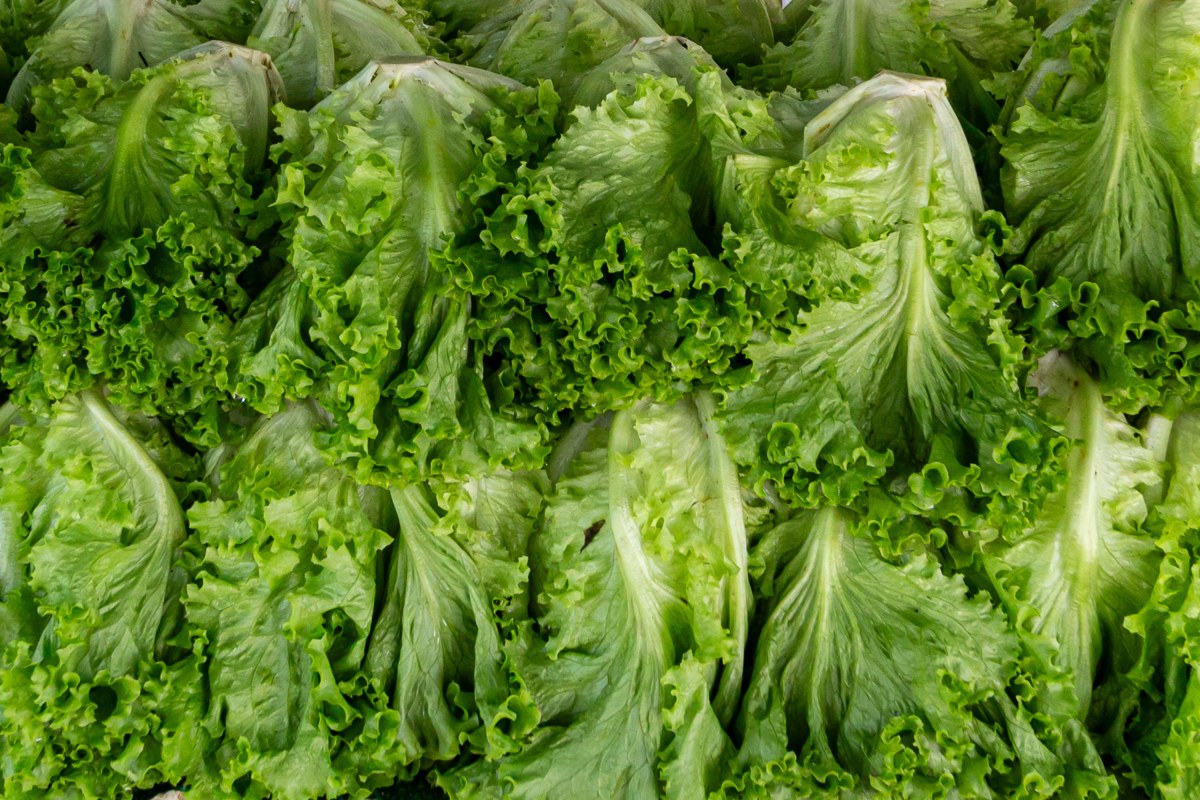
Despite ongoing investigations, health authorities have not identified a definitive source. However, by July 16/17, 2026, federal investigators and major media outlets had already reported that the FDA was investigating shredded iceberg lettuce supplied by Taylor Farms to Taco Bell locations in the Midwest as a potential source of the outbreak.
Taco Bell said in a statement that, based on ongoing conversations with public health officials and out of an “abundance of caution,” it “has taken immediate action to voluntarily remove potentially impacted lettuce from a supplier in select states,” adding that the ingredient is being “indefinitely removed” from its supply chain nationwide and replaced within 24 hours in affected areas.
“While no official advisory has been issued, we believe public health is a shared responsibility among restaurants, their suppliers, and authorities, and we are proud to have consistently acted quickly and proactively to protect our guests,” a spokesperson said. “Taco Bell has taken precautionary action, and we encourage all relevant restaurants, retailers, and foodservice operators to do the same.”
On Friday afternoon, Taylor Fresh Foods told Newsweek that all iceberg lettuce sourced from Central Mexico would be removed from the U.S. market.
“While the FDA traceback is indicating a specific independent farm, which represents less than 1% of the U.S.’s iceberg lettuce supply, as the potential source of the outbreak, we have removed all iceberg lettuce from the region indefinitely," Taylor Fresh Foods told Newsweek. "No other Taylor Fresh Foods products across the country are impacted. No Taylor Farms branded salad kits contain iceberg lettuce.”
The statement continued: “As a family owned and operated company, we are deeply concerned for those who became ill, their families, and the many Americans whose trust in the safety of their fresh produce has been shaken. That trust is something we’ve worked for decades to earn, and we are committed to doing everything in our power to restore that confidence. We will provide continuous updates as new information emerges."
White House Response
The White House has sought to reassure the public as the outbreak has grown. Press secretary Karoline Leavitt told reporters the administration "has a handle on the situation," while acknowledging an "unusually high number of cases" this year.
Leavitt emphasized that federal agencies, including the CDC and FDA, have the resources they need to respond and that officials are working to trace the outbreak "back to its original source."
At the same time, she encouraged Americans to follow basic safety steps—particularly washing and properly preparing raw produce—to reduce the risk of infection.
CDC Advice for Staying Safe
The CDC continues to investigate multiple outbreak clusters while urging the public to take standard food safety precautions.
- Washing fruits and vegetables thoroughly under running water before eating or preparing them
- Washing hands with soap and water before and after handling food
- Cooking food when possible, as heat can reduce the risk of infection
- Avoiding food or water that may be contaminated with human waste
However, experts caution that washing alone may not fully eliminate the parasite, which can cling to the surfaces of produce and resist common disinfectants.
A Seasonal Pattern With Unusual Scale
Cyclosporiasis cases typically rise during the spring and summer months, with the CDC defining the main season from May 1 through August 31.
While seasonal spikes are expected, health officials say the scale of the 2026 outbreak is notably larger than in recent years. Multiple states have reported increases compared with the same period in 2025, and national case counts are continuing to climb.
Historically, outbreaks in the United States have been linked to foods such as bagged salads, herbs, berries and other fresh produce. That pattern has fueled suspicion around leafy greens in the current outbreak—even as investigators caution that no single item has yet been identified.
What Happens Next
Public health officials say the investigation will likely take time. Identifying a common food source can be challenging because the parasite has an incubation period of up to two weeks and food supply chains are complex and widespread.
The CDC, FDA, and state agencies are continuing to interview patients, analyze data and track supply chains in an effort to pinpoint the origin.
For now, both U.S. and Mexican authorities are converging on the same message: remain cautious, follow food safety guidance, and stay alert for symptoms.
As summer travel and dining continue, the outbreak’s trajectory—and whether a definitive source can be identified—will determine how long those precautions remain in place.
Contact Newsweek editors on this story: James Debens, Sam Wilson, Gray R. Thomas.