- Published
The prime minister's Sunday morning BBC interview set hares running when it comes to the future of a policy once seen as politically untouchable.
The timing of the PM's new social care plan sparked suggestions the government could be about to signal the death knell to the state pension triple lock after 16 years.
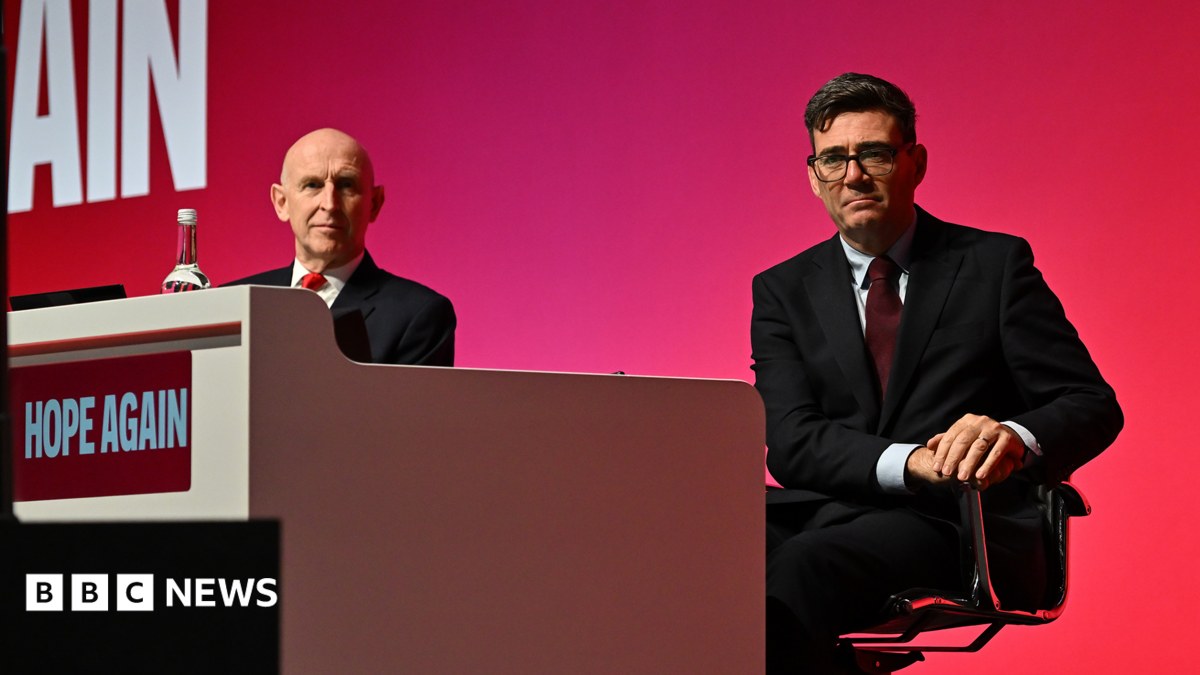
Andy Burnham said he will put forward tough decisions to fund a new national care service as part of Labour's next general election manifesto, seeking a mandate to make the changes next Parliament.
The triple lock, which in theory expires at the end of this Parliament, means state pensions rise every April by at least 2.5%, or in line with the highest of prices or earnings.
Earlier this month, BBC News put this precise question about changing the triple lock in the next Parliament to Chancellor John Healey, who replied "the PM has said, like I have, that we must bring down welfare costs".
It was a non-denial reflecting the fact that the PM has been besieged with advice, including from some of his favourite economists, that scrapping the triple lock, or even signalling it is a future possibility, is a golden opportunity for Britain's economic policy at a tricky moment in the bond markets for all heavily indebted nations.
The UK specifically is seen as a place where successive governments have shirked tough long-term decisions. Could this be Burnham and Healey's attempt to shift that perception, even in the slightly wild markets for government borrowing?
The politics are trickier. Reform's leaders see the policy as a key potential dividing line with Labour.
Many in Westminster privately agree the Osborne-era policy is unsustainable economically, but argue it is politically impossible to unpick.
Many pensions campaigners point to the fact that even after increases, the UK's state pension is not generous by international standards, though other countries have very different systems and rates of private provision.
Former ministers point out that the quid pro quo of redeploying the pension cash savings towards an in kind care service could shift the argument.
The lock is costing £15.5bn a year, treble original estimates of the 2030 cost, especially because of the volatility of prices and earnings.
Reverting to an earnings link could save tens of billions of pounds a year in the long run.
It is the sort of saving that could plausibly fund some form of national care service, potentially with cash left over as a buffer in a volatile world - but that depends on the ambition of the care plan, the generosity of any replacement for the triple lock, and how volatile prices are in the long term.
It had been deemed politically unthinkable, but the government now seems to be thinking about it, at least for the future.