‘Most people my age have written off buying a home’
Louie, 24, a chef living in London, says a lot of people have “written off the idea of even considering getting a property” in their 20s.

He is optimistic about the government’s new Your First Home scheme, which will enable people to buy a new-build property with a deposit of just 2.5%, supported by an interest-free equity loan.
But he says a smaller deposit alone will not be enough for him. “I’ve found hospitality wages to be far too volatile to even consider saving for a property,” he says.
As a result, he is studying an access course with plans to start a physiotherapy degree next year. He hopes that by the time he graduates and gains some experience, he will have a stable enough income and sufficient savings to put down a deposit.
He says the new scheme “should encourage a lot of young people to buy earlier” and adds: “We are moving in a good direction, but I’ll still save and wait until around late 20s to early 30s to start [thinking about buying], just due to how much it may cost me.”
Louie earns between £37,000 and £40,000 a year and shares a three-bedroom rented property with two friends. But rent and bills take up an increasingly large proportion of his income, leaving little room to save towards buying a home.
“I was always told that a third of your salary should go towards rent and bills, but it’s coming up to about half now, which is a little bit mental,” he says.
His landlord recently informed the household that their rent would increase by £200 a month in November.
He has managed to build up some savings. Since he was 18, he has put between 5% and 10% of his earnings into a stocks and shares investment account, and over the past year has also started making regular contributions to an Isa specifically for a house deposit.
“Nobody really wants to be spending all their money on rent,” he says. “But with the amount of money we make, you kind of have to. ”
‘I earned £126,000 last year – but still have nothing at the end of the month’
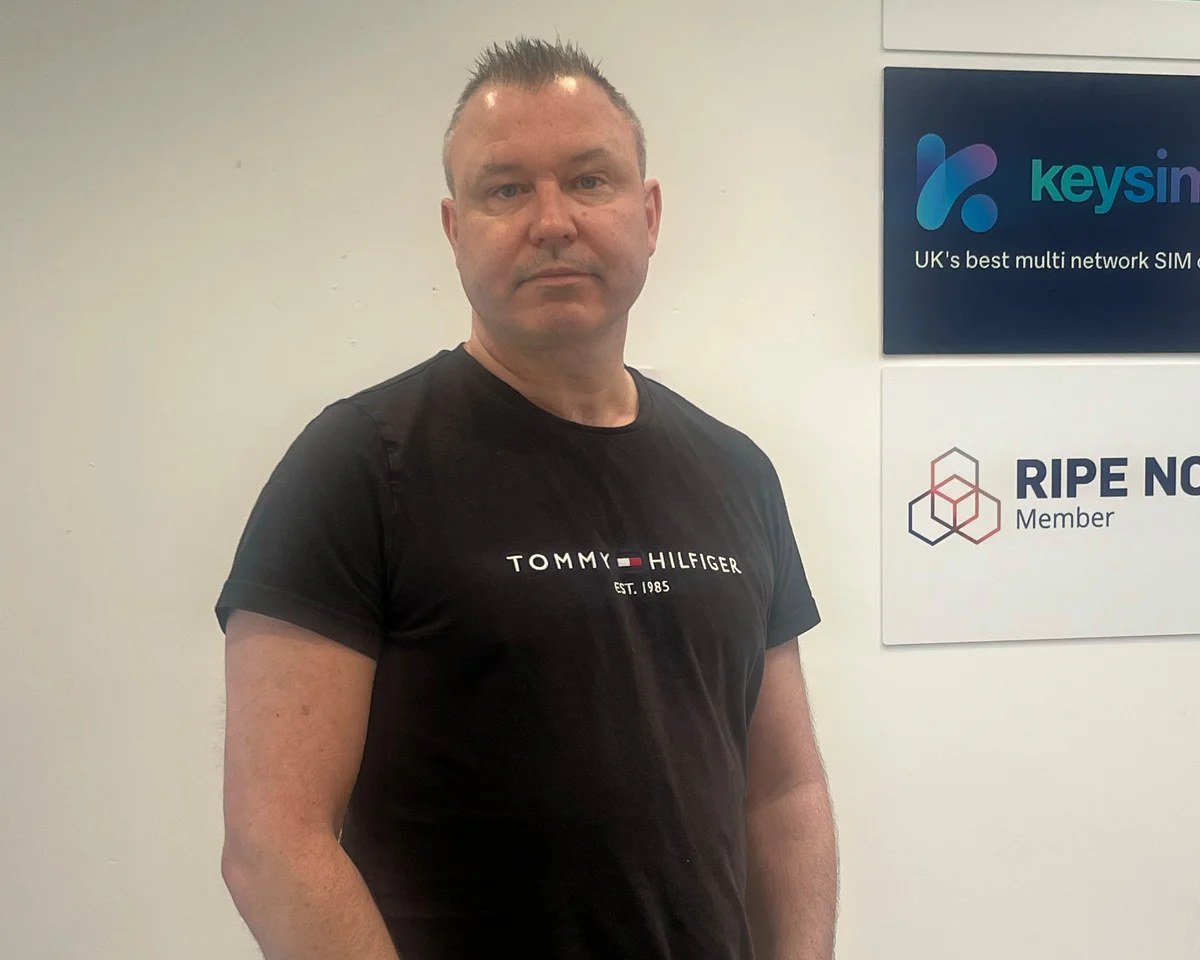
Graham Robinson is a business owner from Timperley, Greater Manchester, who runs the company KeySim. He earned £126,000 last year, but says that despite his six-figure income, he has virtually nothing left in his bank account at the end of each month.
Graham says he was “hoping for real help with the cost of employing people” from the budget. “Instead, the employment allowance stays at £10,500, while employers pick up the rising wage bill.”
He adds: “The minimum wage increase is welcome for workers, but the government gets the headline, businesses get the bill and the Treasury recoups some through tax and national insurance.”
The 45-year-old lives alone and shares care of his 10-year-old autistic son with his ex, covering all childcare costs himself.
“I know £126,000 sounds like an enormous amount of money, but after tax it works out at broadly £6,500 a month, and that really doesn’t go as far as people might think,” he says. “I don’t have expensive cars, I don’t go on extravagant holidays. I don’t really do anything particularly lavish, but at the end of the month it’s all gone.”
His mortgage payments have risen from about £900 a month to £1,300, while council tax, food, energy and other everyday expenses have also increased.
Normally earning approximately £100,000 a year, he has increasingly relied on additional dividends from his business to cover rising costs.
He is frustrated by the effective 60% income tax rate on earnings caused by the gradual withdrawal of the personal allowance on income over £100,000, which reaches zero when earnings reach £125,140.
“To put an extra £1,000 a month in my take-home pay, my salary would need to rise from £100,000 to £129,757 a year,” he says.
‘Our mortgage has increased by more than £600 a month’
Helen, 40, lives in south-west London with her husband and two children, aged eight and five. She is the main breadwinner, working in communications, while her husband runs his own architectural practice.
Her house is in council tax band D, which means she will get a £100 energy payment this winter. She welcomed the extra money, but found the way it was being distributed strange, based on bands rather than financial need.
She says the change offering self-employed people paternity pay was “great”, though now her children are older it would not benefit her family. She adds: “It was lovely to hear Dolly Parton’s book scheme mentioned, as encouraging education for all is key.”
Her family’s biggest monthly expense is their mortgage, which increased by more than £600 a month when interest rates rose. They have now fixed it until 2028.
Helen says frozen income tax thresholds are one of her biggest concerns, alongside getting the economy growing and the pressures facing small businesses. Her husband’s architectural practice is less than four years old and has struggled with the rising costs of building and a wider slowdown in construction.
“The challenge comes down to the price of energy; for example, the cost of steel, transporting materials and building homes,” she says. “It impacts everything we make, build and buy.”
‘I don’t know how people live on just the state pension’
Peter Pillinger, 72, is a widower from South Ribble in Lancashire whose state pension makes up about half his income. He also receives a pension from his career as a Methodist minister, a small amount from his late wife’s pension and an allowance for his work as a local councillor.
He is pleased with one of the key announcements: the scrapping of standing charges on gas bills. These are fixed daily fees that households pay regardless of how much gas they use.
“My gas bill in the summer is almost entirely standing charge,” he says. “They are regressive. Putting all the costs in the unit charge will encourage people to reduce usage and to insulate their homes.”
But he wonders why it will take until at least next spring for the change to come in. He also wants to know what the government will do “for those who need higher usage for medical reasons”.
He supports the changes to the state pension triple lock and believes pensioners who can afford to pay tax should do so. “If my income is £25,000 or approaching £30,000, why should it not be taxed? If everyone else is paying tax at that level, why should I not?”
Conversely, he is concerned about those surviving on much less. “I don’t know how people live on just the state pension,” he says.
‘Flowers are one of the first things people think to cut back on’
Danielle Walker, 37, is a self-employed florist based in Wakefield, West Yorkshire. She says rising fuel prices are squeezing her business from both sides, increasing the cost of making deliveries while also pushing up the price of the flowers she buys.
She welcomes the chancellor cancelling the planned fuel duty rise, but adds “it doesn’t undo the increases we’ve already faced or take away the pressure we’re under”.
Increasing the higher mileage rate from 25p to 35p a mile will not benefit her, she says, nor will the business rate threshold going up from £12,000 to £18,000, as she works from a studio.
Danielle has spent considerable time calculating delivery charges for different postcodes to ensure they cover her fuel costs and the time spent travelling. But she says she is increasingly having to absorb some of these costs herself.
“If I’ve quoted flowers for a wedding based on diesel being £1.40 a litre and it’s £2 by the time the wedding comes around, I’ve still got to get there. There’s only so much you can absorb for so long,” she says.
With customers already struggling financially, she feels unable to keep passing on rising costs without risking a loss of business.
“Flowers are a luxury item, and when people are feeling the pinch, they’re one of the first things people think to cut back on,” she says.
Danielle believes the government should look at the impact of fuel duty and VAT on small businesses that depend on driving, arguing that independent traders are particularly exposed to rising prices.
“Someone has to take it on the chin somewhere. I feel it’s unfair that small businesses are continually having to absorb these costs or lose customers by being honest about what delivery should cost.”
‘I am a single dad. The more you earn, the less you keep’
Jonny Roberts, 39, is a single dad from Newbury, Berkshire, with children aged 11 and eight. He works part-time at McDonald’s and as a tutor, while also studying for an online master’s degree. Between his two jobs, he works the equivalent of full-time hours. But even with support from universal credit, his income only just covers essentials.
“We had heard in the run-up [to the budget] there would be something on energy bills, and I’m sure millions of households are grateful for the extra £100 help towards that announced today,” he says. “But it was disappointing to see no announcement on whether local housing allowance [LHA] will be uprated.”
For Jonny, one of the biggest problems is the gap between the housing support available through universal credit and the reality of renting. He is entitled to the three-bedroom LHA rate, which gives him £1,200 a month towards his rent, but he pays £1,300 a month for a two-bedroom flat.
“The rent we’re paying isn’t particularly high for the area. It’s pretty much in line with the norm,” he says.
“Last year’s freeze and the cuts of prior government mean the housing element of universal credit seems to live in an alternate reality to the actual rents charged in the south of England.”
Jonny is also frustrated by the way universal credit reduces the financial rewards of taking on additional work.
For every extra pound he earns above his work allowance, his universal credit is reduced by 55p. Once income tax, national insurance and student loan repayments are taken into account, he says the amount he keeps from an additional shift can be surprisingly small.
With rent taking up the largest share of his budget, Jonny has little flexibility when other household costs rise. “I’m happy to go with less for myself to make sure I can feed all three of us,” he says.
Jonny was happy to see a “speeding up of the rollout of free breakfast clubs to an extra 2,000 schools” but adds: “It still seems a glacial pace when there are 17,000 primaries in the country.”
-
Jonny takes part in Changing Realities, a collaboration involving more than 200 parents and carers living on low incomes, researchers at the University of Glasgow and Child Poverty Action Group. The project documents families’ experiences of living on a low income and brings their voices into discussions about poverty and social security policy.