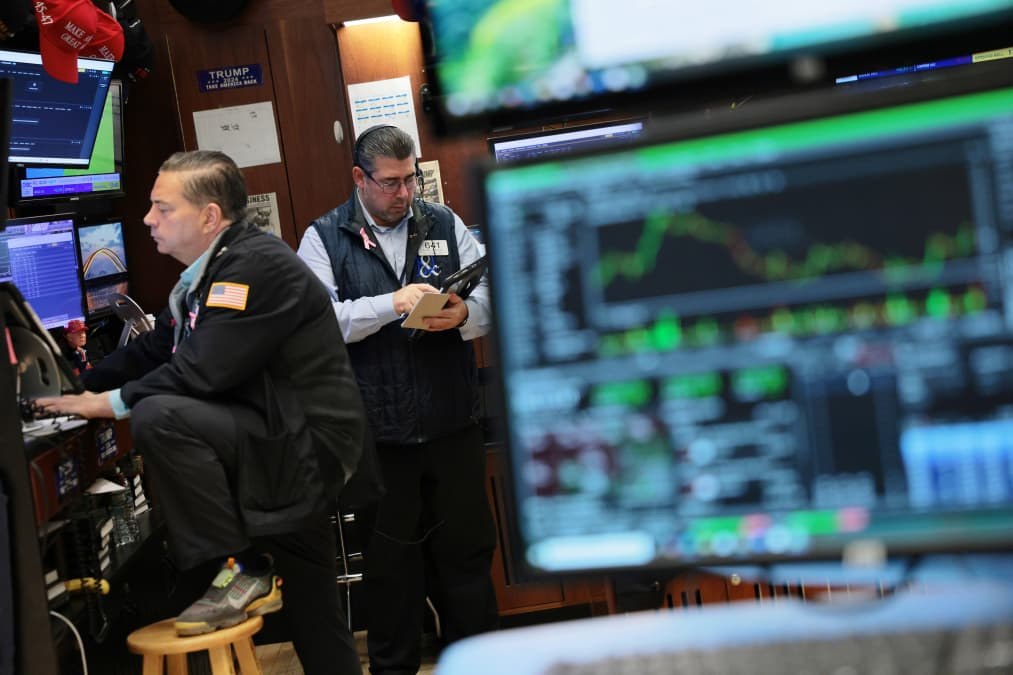
U.S. Treasury yields rose on Monday, partially unwinding price action seen at the end of last week, as stock futures pointed to a strong rebound on Wall Street and investors look ahead to comments from John Williams of the New York Fed.
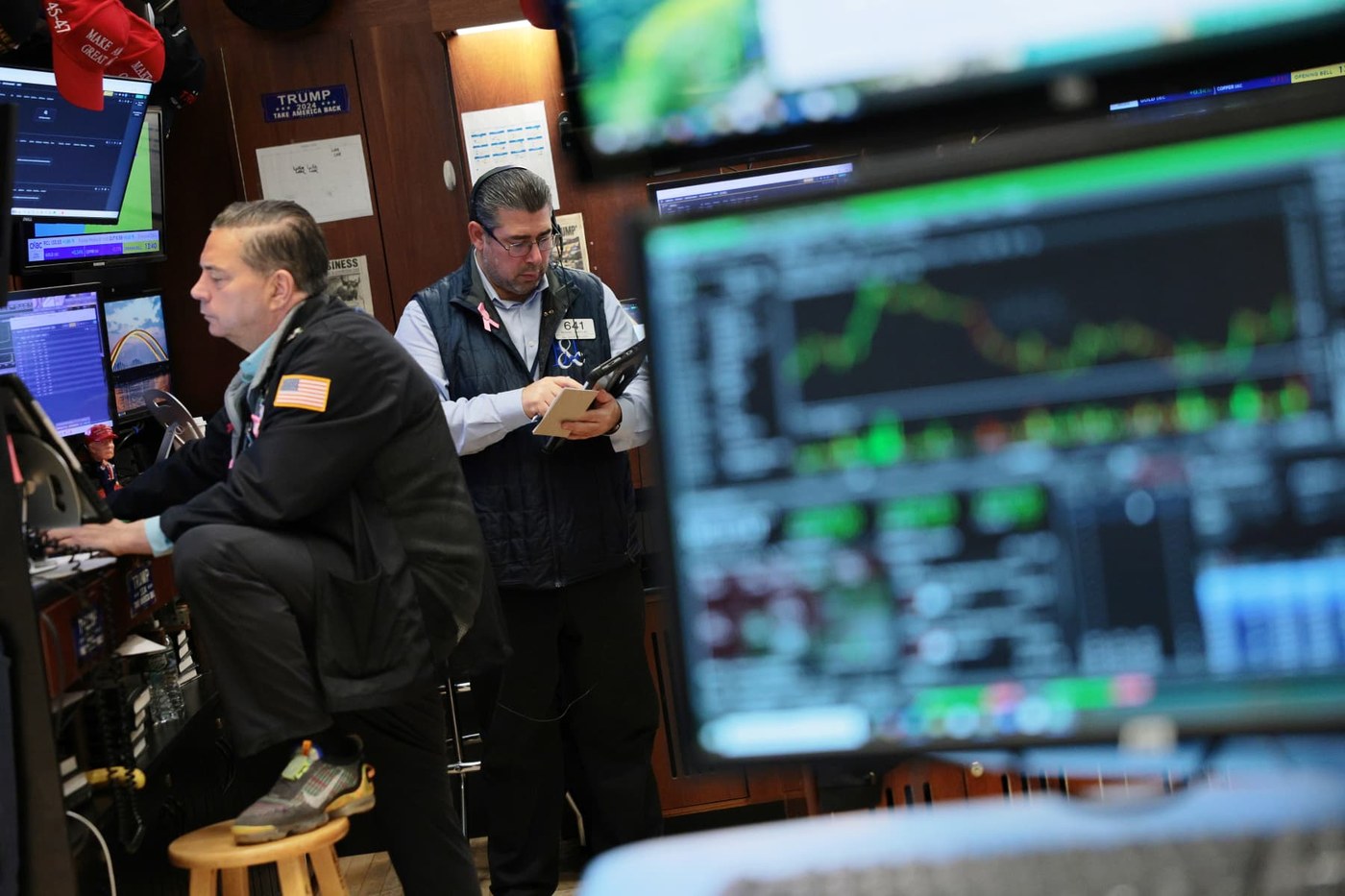
The 10-year Treasury yield — the key benchmark for mortgages, student loans and credit card debt — was up 3 basis points to 4.942%.
The 2-year Treasury note yield, the most sensitive to short-term Federal Reserve interest rate decisions, was up more than 5 basis points at 4.67%. The 30-year Treasury bond yield — which often reacts the most to geopolitical developments — was up 2 basis points to 5.322%.
One basis point equals 0.01%, and yields and prices move in opposite directions.
Recent economic data and hawkish commentary from Federal Reserve policymakers have reinforced market expectations for further interest rate hikes. New York Fed President John Williams is due to speak later on Monday.
Traders are pricing in about a 96% chance of a quarter-percentage-point rise in the fed funds rate in December, up from around 92% on Friday, according to the CME FedWatch tool.
Revised GDP data due on Wednesday is expected to confirm that the U.S. economy expanded by 3.4% in the third quarter, according to Trading Economics forecasts. This compares to 2.2% growth in the second quarter.
U.S. core Personal Consumption Expenditure for October, which measures underlying inflation, is also due Wednesday. A rise of 0.3% is expected, according to analysts, in line with September numbers.
Core PCE inflation in September on an annual basis accelerated to 3.1%, from 3% in August, marking its highest level since May. This reinforced concerns that energy costs were weighing further on inflationary pressures and contributed to expectations of rate hikes to try to pull back inflation to the Fed's 2% target.