
- Published
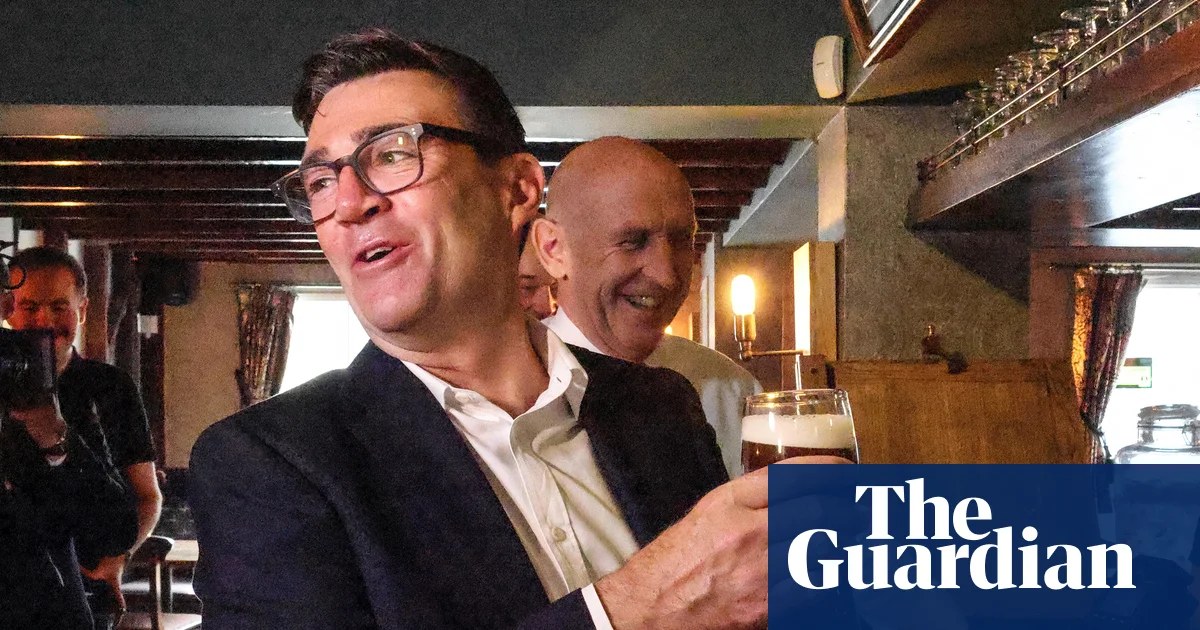
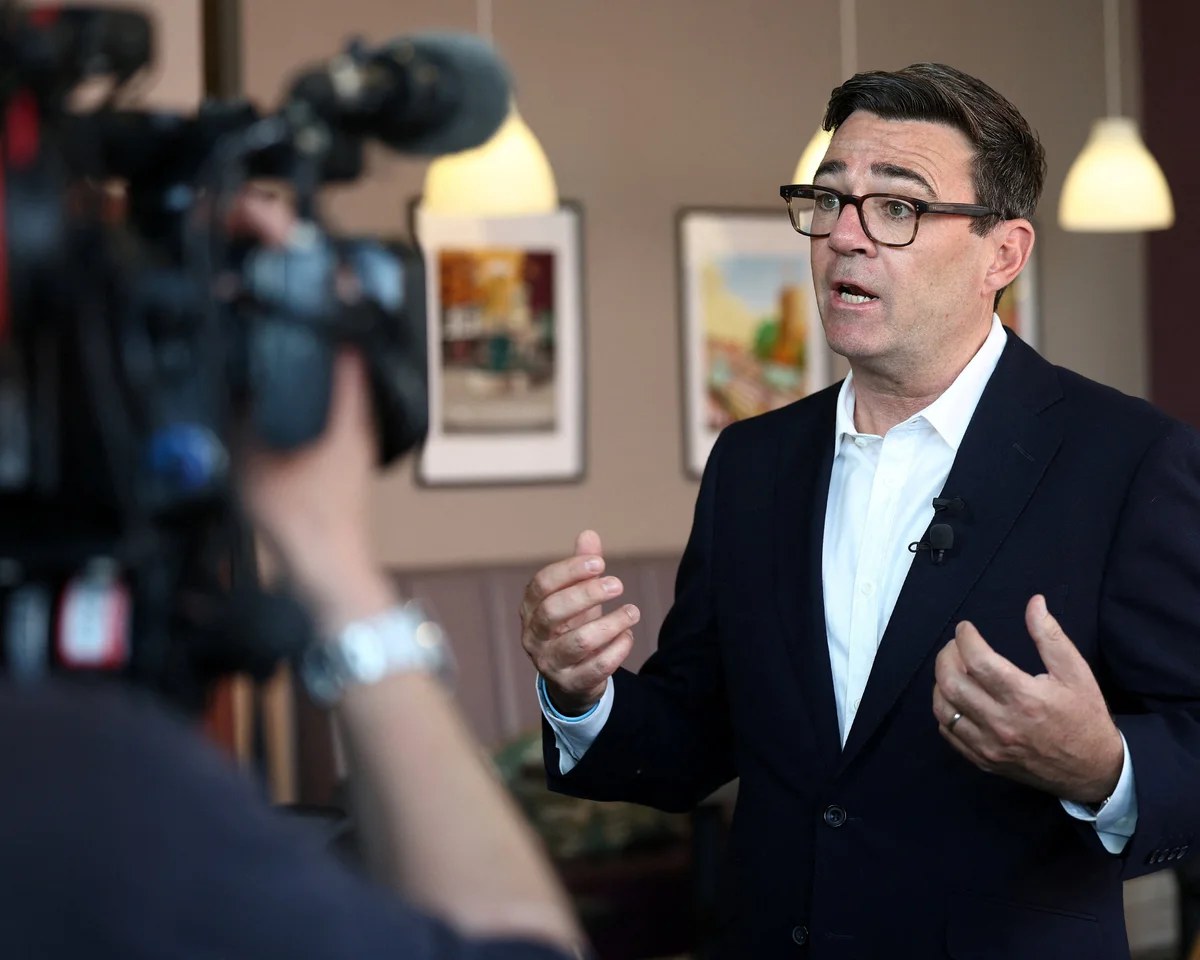
Up until this point, the new Prime Minister Andy Burnham has described his policy changes with a broad brush. From today, he faces the constraints, trade offs, and realities of high national office.
For example, Burnham has said Tuesday's announcements on cost of living support would be paid for. In other words, it would mean a tax rise or spending cut, so we will see rather quickly what the new PM prioritises when push comes to shove.
Meanwhile, the markets seem to have already reacted to the suggestion he would be using some "flexibility" in his borrowing rules to help with new announcements.
The UK government's 10-year borrowing rose above 5% on Monday after falling in recent days. It has not gone up in this way in other European economies.
The move was not huge, but it shows the sensitivities at a moment when Burnham is overhauling his cabinet.
The "flexibility" he was talking about is, I understand, about the treatment of financial institutions. This has occurred in some green energy policies and essentially helps exempt certain types of borrowing from the measures of debt. There is scope for this model to extend to housing and other infrastructure.
It was not a general suggestion of, for example, using up the increased headroom against the government's borrowing rules.
All this shows how every tricky decision and trade off is being watched by the country and the markets at the same time.
Tax thresholds on the doorstep
Burnham's camp has also floated the idea of unfreezing the income tax threshold â and I'm taking it pretty seriously that this may happen.
Some big unions have swung behind the idea, which would cost at least £4bn depending on the rate of inflation. And others have floated the idea of not just unfreezing the thresholds in 2027 â lifting it from the current £12,570 basic rate to £13,000 and at the upper end from £50,271 to £52,000 â but rolling it back to what it would have been if the freeze hadn't been implemented in 2022. This would be much more expensive to do.
The UK is in the middle of a nine-year threshold freeze announced by then-chancellor Rishi Sunak to repay the billions borrowed to fund the Covid lockdown. The freeze was extended at the last Budget by Rachel Reeves until 2030-31, pushing one in six workers into the 40p bracket.
It is intriguing that Burnham says this came up on Makerfield doorstep, as is the fact that significant unions now prioritise a policy that affects their members on or around £50,000 a year. We're talking the likes of nurses, midwives, paramedics, teachers, and engineers.
However, as some current Number 10 insiders have pointed to, it adds to a list of net spending policies and raises questions about the extent of tax rises or extra borrowing required to make Budget sums add up.
-
Burnham's 'Manchesterism' got him to No 10 - but will it work for the UK?
- Published3 days ago
Defence, housing, and welfare
More widely, Burnham has also said he would publish a 10-year plan for the country and the economy later this year, likely to detail his wider plans on decentralisation, devolution, and rebuilding Britain.
Ordinarily, you might expect a significant infrastructure programme with such plans, but Burnham also wants to fund the Defence Investment Plan, a multi-billion, multi-year spending commitment for the UK military. How will he square this?
In addition, his first priority going through the doors, he said, would be a national plan to end rough sleeping.
He made a similar pledge in Greater Manchester, but some early progress went in reverse in recent years. When I questioned him about this in February, he said more funding and powers from central government were needed to deal with the recent rise. As his first act as PM, he has now released funds to address it from within the housing budget.
Long term, he said the answer is mass council house building. This will take years to feed through.
Welfare is another critical test. Here, I'm told, Burnham expects to show he can make progress on what he called "sustainable reform". This will lean heavily on Alan Milburn's review, which is likely to recommend significant job support funds and mental health assistance for young workers in order to reduce welfare bills.
This is likely to be delivered by local mayors who know what works in their regions. Burnham hopes to show the markets he can deliver the welfare reform that eluded former prime minister Sir Keir Starmer.
This is the new PM's conundrum. He faces the same manifesto and borrowing rule constraints as his predecessor, yet he clearly wants to do more. He says his rewiring of Britain will help the economy grow, but many of these solutions could take years.
And the recent rapid turnover of prime ministers and chancellors shows, even thinking a few years ahead might feel like a luxury.
From Manchester mayor to prime minister in a matter of months; what is his record and what does he stand for?
Related topics
-
- Published1 hour ago
-
- Published8 hours ago