Those who have been keeping a close eye on the commodities market know that critical material supply chains have become a top priority for nations worldwide. Not only has the United States been seeking to end its reliance on China for critical materials, but the European Union is also ramping up its efforts.
Key Takeaways:
- Critical materials have a crucial role to play in the global economy, and countries are looking into recycling as a way to bolster their supply chains.
- While recycling may be able to lessen the burden, the scalability of recycling operations remains in debate, given how many critical material products have very long shelf lives.
- With mining company investment well-positioned to continue in the future, the Sprott Critical Materials ETF (SETM) could offer a potent position in investors’ portfolios.
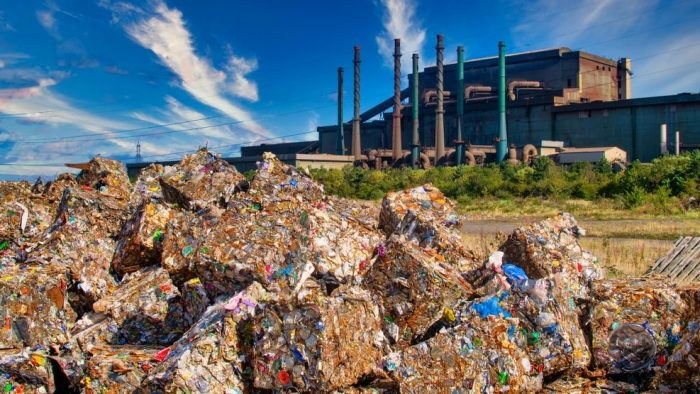
Considering how important critical materials are for manufacturing critical goods such as batteries, power grids, and defense systems, all options seem to be on the table for creating more resilient supply chains. This includes recycling, which has been drawing increased attention as of late.
In a recent article, Justin Tolman, senior portfolio manager and economic geologist at Sprott Asset Management, examined the role of recycling in supplying critical materials and how much would be required to meet the needs of the global economy.
Tolman cited data from the International Energy Agency, estimating that by 2050, recycling could potentially reduce mine development requirements by roughly 40% for copper and cobalt and 25% for lithium and nickel. While these numbers are impressive, Tolman also presented an important counterpoint: how fast can recycling scale up, and would it be able to match up with demand?
See More: Metals in Motion: Sprott Outlines New Era of Critical Minerals
Mining Investment Will Remain Crucial
Looking broadly, Tolman noted that many products containing critical materials — such as EV batteries and turbines — often remain in service for decades. As such, this long lifespan makes it difficult for recycling alone to keep up with supply/demand dynamics. This gap widens even further with AI adoption accelerating the need for these materials.
While recycling will likely play a crucial role in the critical materials supply chain for years to come, economies will still need to invest in the mining industry to keep up with a growing demand that shows no sign of slowing down.
This outlook certainly bodes well for the Sprott Critical Materials ETF (SETM). SETM offers distinct exposure to the global critical materials industry, through the flexibility and accessibility of the ETF wrapper.
SETM’s global perspective on critical materials exposure also offers a compelling advantage over traditional commodities ETFs. By targeting multiple materials across various geographic regions, the fund equips investors and advisors with a broader, more diversified approach to the critical materials space.
For more news, information, and analysis, visit the Gold/Silver/Critical Minerals Content Hub.
Disclosures
An investor should consider the investment objectives, risks, charges, and expenses carefully before investing. To obtain a Prospectus, which contains this and other information, contact your financial professional or call 888.622.1813. Read the Prospectus carefully before investing, which can also be found by clicking one of the links below.
Past performance is no guarantee of future results. One cannot invest directly in an index.
Funds that emphasize investments in small/mid-cap companies will generally experience greater price volatility. Diversification does not eliminate the risk of investment losses. ETFs are considered to have continuous liquidity because they allow an individual to trade throughout the day. A higher portfolio turnover rate may indicate higher transaction costs and may result in higher taxes when Fund shares are held in a taxable account. These costs, which are not reflected in annual fund operating expenses, affect the Fund’s performance.
Sprott Asset Management USA, Inc. is the Investment Adviser to the ETFs. ALPS Distributors, Inc. is the Distributor for the ETFs and is a registered broker-dealer and FINRA Member. ALPS Distributors, Inc. is not affiliated with Sprott Asset Management USA, Inc. or VettaFi.
Exchange Traded Funds (ETFs): SETM, LITP, URNM, URNJ, COPP, COPJ, NIKL, SGDM, SGDJ, SLVR, GBUG, METL, and REXC
Physical Bullion Funds: PHYS, PSLV, CEF, and SPPP.
Gold and precious metals are referred to with terms of art like store of value, safe haven and safe asset. These terms should not be construed to guarantee any form of investment safety. While “safe” assets like gold, Treasuries, money market funds and cash generally do not carry a high risk of loss relative to other asset classes, any asset may lose value, which may involve the complete loss of invested principal.