Hungarian business magnates are shifting operations to smaller projects. This change follows a new government's move to end alleged cronyism. Firms linked to the former ruling party face a more competitive landscape. Some companies may not survive the significant corporate shake-up. Investors anticipate a market-friendly environment under the new premier.
"We must âand will adapt," Sandor Scheer, â founder and â chief executive of Market Epito, one of Hungary's biggest construction companies, told Reuters. The firm, linked to Orban ally and magnate Istvan Garancsi, has generated a quarter of its revenue from public contracts, including high-profile football stadiums.
Read more: Hungary election: âUseful idiotâ of Trump and Putin, Viktor Orbán concedes defeat after 16 years in power
"We are preparing for âa shift where, instead of large-scale projects, we will have a higher volume of smaller-scale projects, and housing and infrastructure construction will become dominant."
The strategic shifts underscore the biggest shake-up in corporate Hungary in âdecades, which is hitting share prices of firms seen as linked to Orban, while creating a more competitive landscape that could boost investment from foreign companies.
Those most at risk, analysts say, are firms that fed off public infrastructure procurements, but will now compete with newcomers for a share of government funds.
"Construction and road-building firms that were part of these (...) networks will vanish in âone or two years as the contracts will go to other companies," said Daniel Hegedus, deputy director of Berlin's Institute â for European Politics.
Read more: Once prosperous, Hungary is now the poorest nation in EU â meanwhile, this tiny nation tops the wealth rankings
Construction âcompany Market Epito says three decades of successful operations and financial strength were not tied to political cycles, and that its diversified portfolio gives âit stability.
ORBAN ALLIES HANG ON: 'WE ARE âNOT AFRAID'
During Orban's rule, allies drew on preferential access to state spending, public tenders and favourable regulation to both acquire and grow companies â across Hungary's corporate landscape.A 2024 OECD survey found Hungary had a high rate of single-bid public procurement procedures, with the European Union setting out reforms to improve market competition as part of wider conditions to release suspended EU funding.
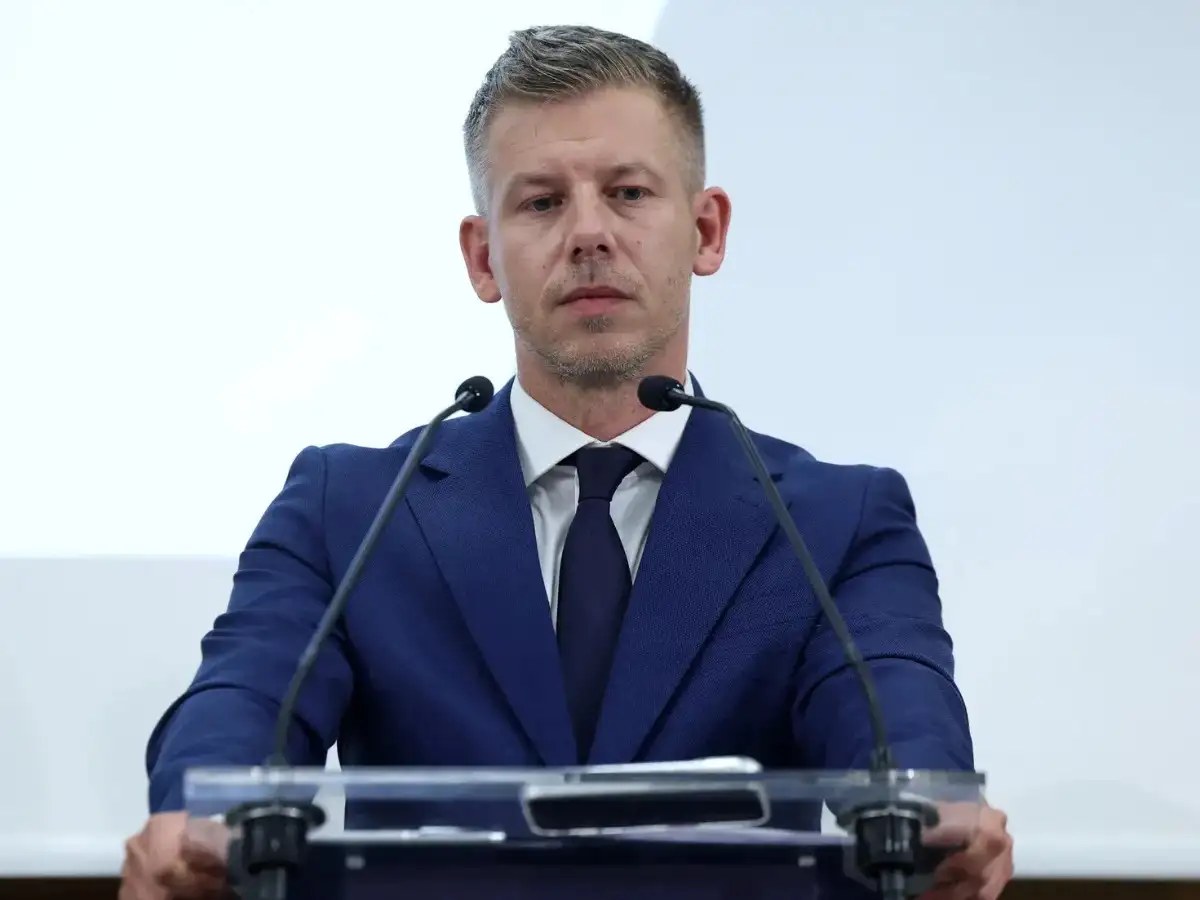
New premier Magyar, who ousted Orban in a landslide win, submitted sweeping anti-corruption legislation to parliament in June as Budapest seeks to meet EU conditions on a more transparent use of public funding.
Magyar's government did not respond to requests for comment.
In a further sign of the clearout, on July 13 Hungary's parliament approved a constitutional amendment to oust President Tamas Sulyok, who Magyar calls a "puppet" of former premier Orban. Sulyok said he had no political agenda.
Orban's exit has had a notable market impact.
Politically-exposed companies such as construction and energy conglomerate Opus Global, real estate developer Appeninn, telecoms firm 4iG and MBH Bank have âexperienced sharp share price falls as investors stripped out political control premiums.
They have bucked a wider rally in Budapest shares driven by optimism over what investors hope will be a market-friendly environment under Magyar, who has pledged to review contracts in areas like construction, defence and media.
Duna Aszfalt - whose billionaire âowner Laszlo Szijj turned a modest âcompany into Hungary's leading road construction firm under Orban's â Fidesz-led government - said it would leverage its experience to compete.
"Even before 1990, Duna Aszfalt... competed in a market dominated by international players," the company said in a statement in response to questions from Reuters. "This environment is familiar to us and we are not afraid of it."
'SOME OF THESE COMPANIES WILL DISAPPEAR'
As part of a drive to review spending commitments âunder Orban, Magyar's government said it would suspend an extension of a highway stretch in southern Hungary and called on Duna Aszfalt to repay the funds that it received before the election for the project.Duna Aszfalt did not reply to an email seeking additional comment on the highway contract.
In an email, 4iG rejected suggestions it benefited from favouritism. MBH, Hungary's No. 2 bank, said its operation was strictly in line with Hungarian and EU public procurement laws.
Opus Global and Appeninn did not immediately respond to Reuters requests for comment.
More transparent tenders could make more space in the market for international companies, said Orsolya Raczova, analyst at Eurasia Group, squeezing out some firms allied to Orban.
"I do expect some major changes and I think some of these companies will disappear," she said.
(You can now subscribe to our Economic Times WhatsApp channel)