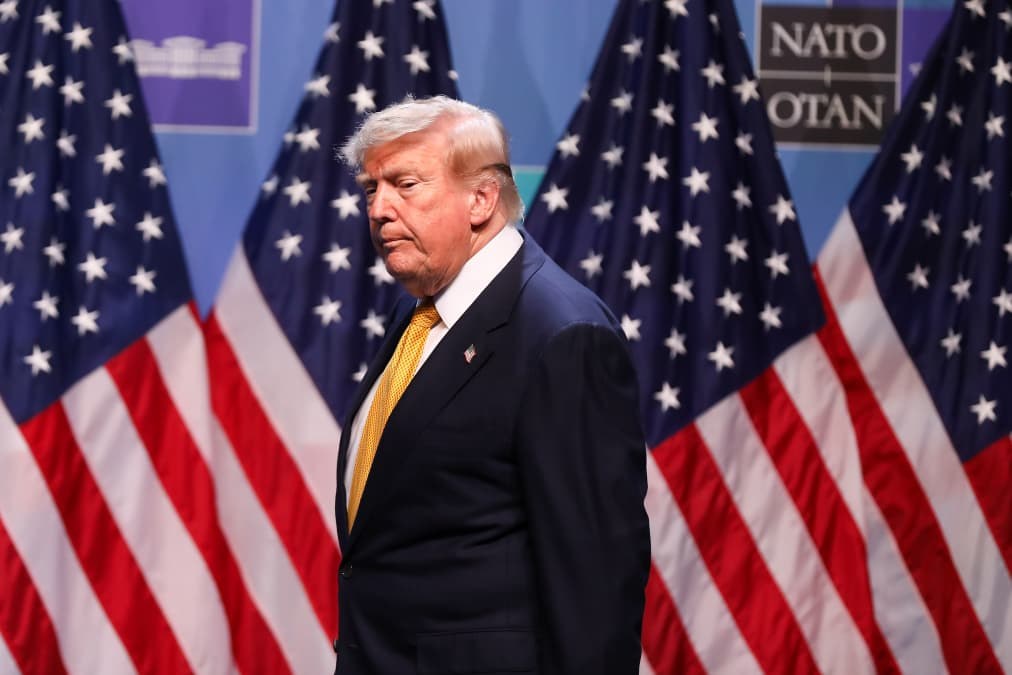
President Donald Trump's proposed 20% levy on ships passing through the Strait of Hormuz could backfire and further reduce dwindling traffic on the vital waterway, shipping executives have warned.
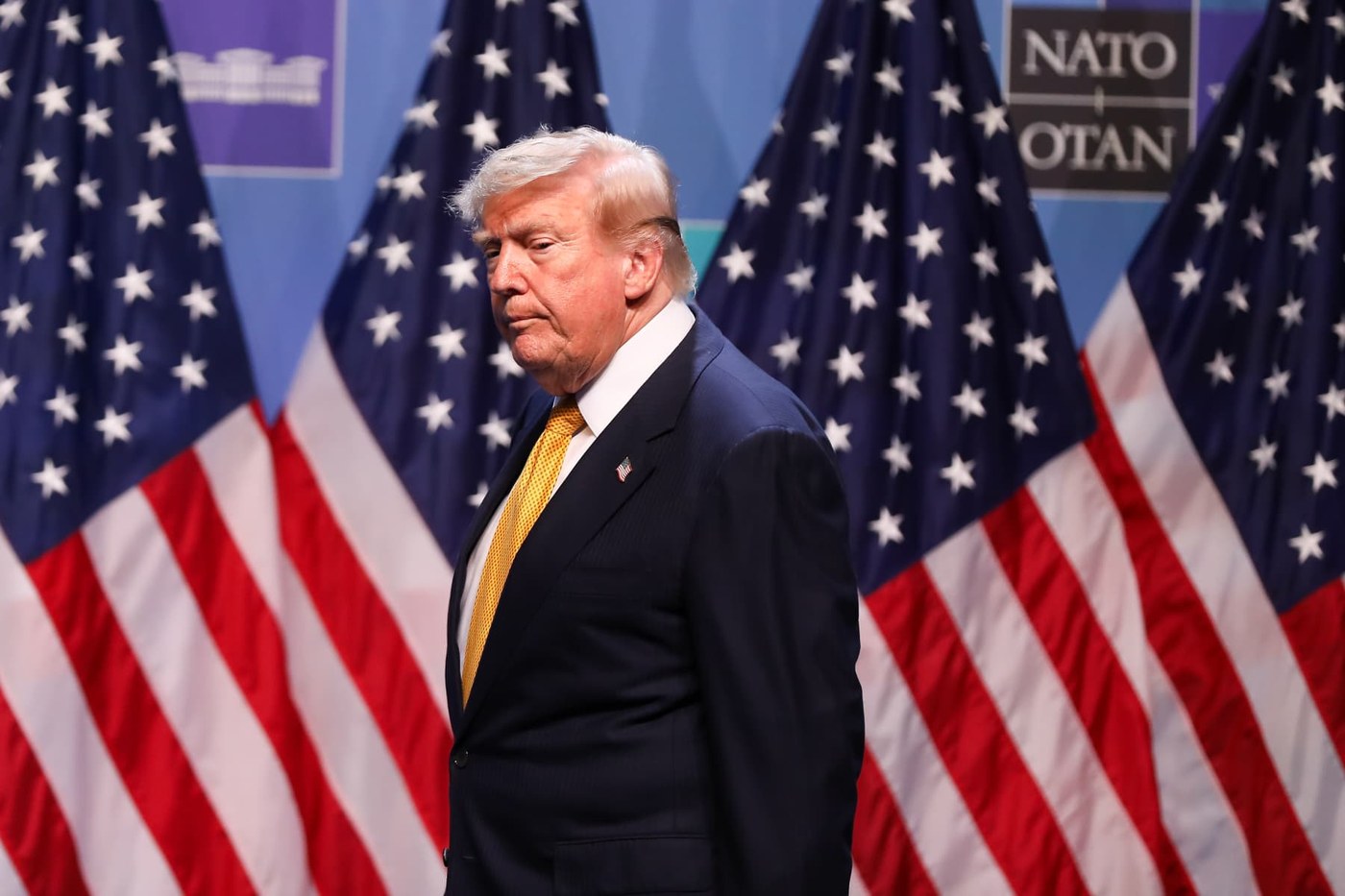
The temporary ceasefire deal the U.S. and Iran signed in mid-June appears increasingly fractured after the adversaries exchanged hostilities for a third consecutive day on Tuesday.
The deal explicitly prohibited Tehran from imposing any charges on commercial ships passing through the Strait.
But the president is no longer calling for the return to pre-war arrangements, with the Strait of Hormuz remaining a toll-free international waterway. Instead, Trump has suggested commercial vessels attempting the transit must pay the U.S. as compensation for guaranteeing safe passage.
Shipping giant Hapag-Lloyd has said it is "fundamentally wrong" to charge tolls for passage through international waters, regardless of the country in charge.
"Tolls for infrastructure such as the Suez Canal or Panama Canal are different, because they reflect major infrastructure investments," the firm said in a statement. "That is not the case in the Strait of Hormuz."
Any U.S.-imposed tariffs could further reduce traffic through the vital waterway, which has already ground to a halt again in recent days, according to the Baltic and International Maritime Council, the world's largest shipping association.
"While the proposal to fund security through a levy on cargo transiting the Strait of Hormuz is innovative and well-intentioned, the increased cost will constitute a further disincentive to transiting the Strait which can only be outweighed by a significant reduction in the threat from Iran," Jakob P. Larsen, BIMCO's chief safety and security officer, told CNBC on Tuesday.
Vessel traffic through the Strait of Hormuz fell sharply on Sunday, with Kpler data showing just 14 ships crossing the waterway, including four crude tankers, compared with 37 vessels a week earlier. That could dry up further if tolls were enforced.
Iran mocks Trump's toll plan
Until Trump suggested otherwise in a Truth Social post on Monday, the U.S. had been staunchly opposed to any tolls in the Strait of Hormuz.
The U.S. had rejected Iran's own plans to charge tolls to ships passing through the strait, which maritime experts, regulators and even top Trump administration officials have said is illegal under international law.
The Trump administration previously threatened to "aggressively" impose sanctions against Oman if it was seen to help Iran establish a tolling system.
"All nations should reject outright any efforts by Iran to disrupt the free flow of commerce," Treasury Secretary Scott Bessent said in a post on X on May 28.
Read more
In what appears to be an abrupt shift in policy, however, the U.S. president declared via social media that the country would become known as the "THE GUARDIAN OF THE HORMUZ STRAIT."
As such, Trump said the U.S. would be reimbursed at the rate of 20% of all cargo shipped through the waterway "for any and all costs necessary to do the job of providing safety and security to this very volatile section of the World."
Iranian Foreign Minister Abbas Araghchi appeared to mock Trump's plan. In his own social media post, Araghchi said the U.S. president was "absolutely right" that whoever provides secure and safe passage of commercial vessels through Hormuz should be compensated for this service.
"Iran has always been the GUARDIAN of the Strait and will remain so FOREVER. 20% is of course too much. We will be fair," Araghchi said on Monday.
— CNBC's Kevin Breuninger also contributed to this report.