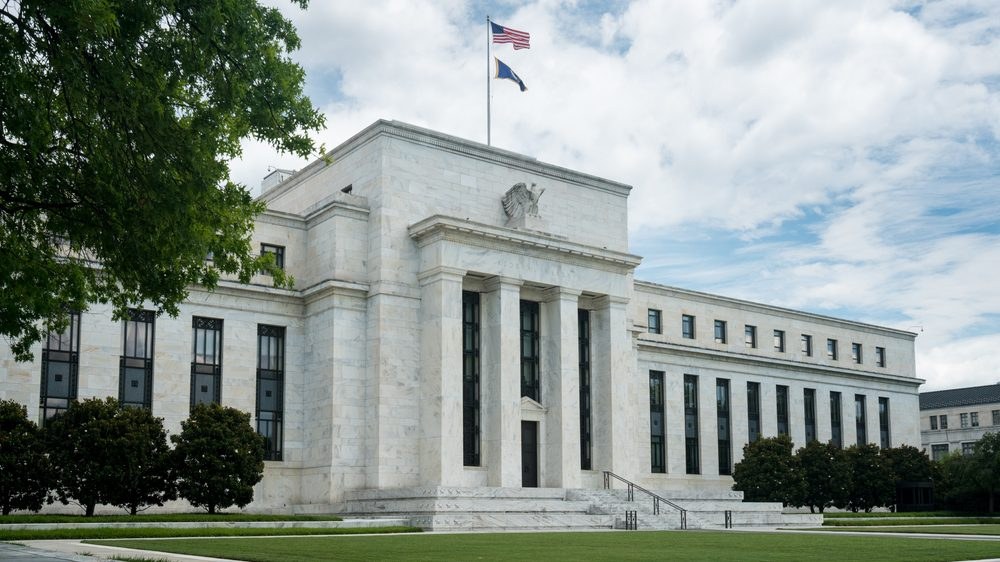
Guessing what the Federal Reserve is going to do next is an increasingly difficult task. For some time, the war in Iran bolstered the possibility that the central bank would have to raise rates at some point this year to damp inflation.
Along comes a disappointing July jobs report, one that showed the loss of 23,000 jobs last month. That opens the door to rate cuts. Aggressive traders can prepare for a variety of outcomes, while potentially capitalizing on Treasury yields’ daily fluctuations, with the Direxion Daily 7-10 Year Treasury Bull 3X Shares (TYD) and its bearish counterpart, the Direxion Daily 7-10 Year Treasury Bear 3X Shares (TYO).
Two of the pioneers in the geared bond ETF arena, TYD and TYO turned 17 years old in April. The bullish TYD attempts to deliver 300% of the daily returns of the widely followed ICE U.S. Treasury 7-10 Year Bond Index. Meanwhile, the bearish TYO seeks corresponding with 300% of the daily inverse performance of that bond benchmark.
It’s Anybody’s Guess
Under new Chairman Kevin Warsh, Fed clues are hard to come by. But even with the dour July jobs data, some market observers believe Fed policy will remain restrictive going forward. That could be a sign for risk-tolerant traders to consider the bearish TYO.
“The current effective federal funds rate is 3.63%. As of market close on August 10, 2026, futures markets are pricing a gradual increase to about 3.8% by November and roughly 4.1% by August 2027,” noted Street Stats. “Implied rates then ease to around 4% in 2028 before holding near 4.1% through 2030 and edging up to approximately 4.2% in 2031, suggesting monetary policy could remain relatively restrictive over the longer term. The Federal Reserve’s September 15-16 meeting will be closely watched as officials weigh persistent inflation pressures against signs of weakening in the labor market.”
It remains to be seen, but of the two Direxion bond ETFs, the inverse TYO could be the winner over the near-term. Indeed, some members of the central bank want to quash inflation sooner than later. Looking further out, traders may want to keep eyes on the bullish TYD when 2027 comes calling.
“We expect a lower inflation trajectory that keeps policy on hold this year, potentially followed by two rate cuts in 2027 as inflation gradually normalizes,” said Michael Gapen, chief U.S. economist for Morgan Stanley Research. “The main source of this divergence is our more constructive view on the inflation outlook relative to both markets and the Fed.”
For more news, information, and strategy, visit the Leveraged & Inverse Content Hub.