With the holidays just months away, tech companies are betting this is finally the year that AI starts showing up under the Christmas tree.
Apple, Amazon and Microsoft have all announced new devices in the past week with the aim of bringing generative artificial intelligence firmly into the home. Nearly four years after the launch of ChatGPT, the leading consumer tech companies are touting improved personal assistants and speedier on-device chips with AI capabilities as they try to sell new laptops, tablets, phones and smart home computers.
Success is far from guaranteed. In addition to the weakest consumer sentiment data in 12 years due largely to stubborn inflation, and growing fears about the potential safety risks of AI, there's a learning curve that comes with the new technology. Jitesh Ubrani, an analyst at IDC, said tech companies want to introduce AI to consumers to lay the groundwork for more aggressive device launches in the coming years.
"This is really about getting devices into consumers' hands, into consumers' homes, slowly teaching them how to use it, and getting feedback from them," Ubrani said, adding that new gadgets from Apple, Amazon and Microsoft aren't expected to sell in large volumes, at least not yet.
Getting affluent early adopters on board now could be considered a win given the macro headwinds. Hardware prices across the board have risen, driven by soaring costs for components, especially memory and storage, as power-hungry AI servers suck up most of the capacity. Those price hikes have led to plunging shipments this year of new smartphones and laptops.
Microsoft kicked off the launches last week by showing off an Nvidia-powered Windows laptop starting at $2,599, based around an AI chip called RTX Spark that can run powerful AI without relying on the cloud.
Amazon followed by releasing Alexa tablets, the company's first pieces of hardware named after its smart assistant. The largest Alexa Tablet 12 Pro costs $550, compared to $155 for its predecessor, the Fire HD10.
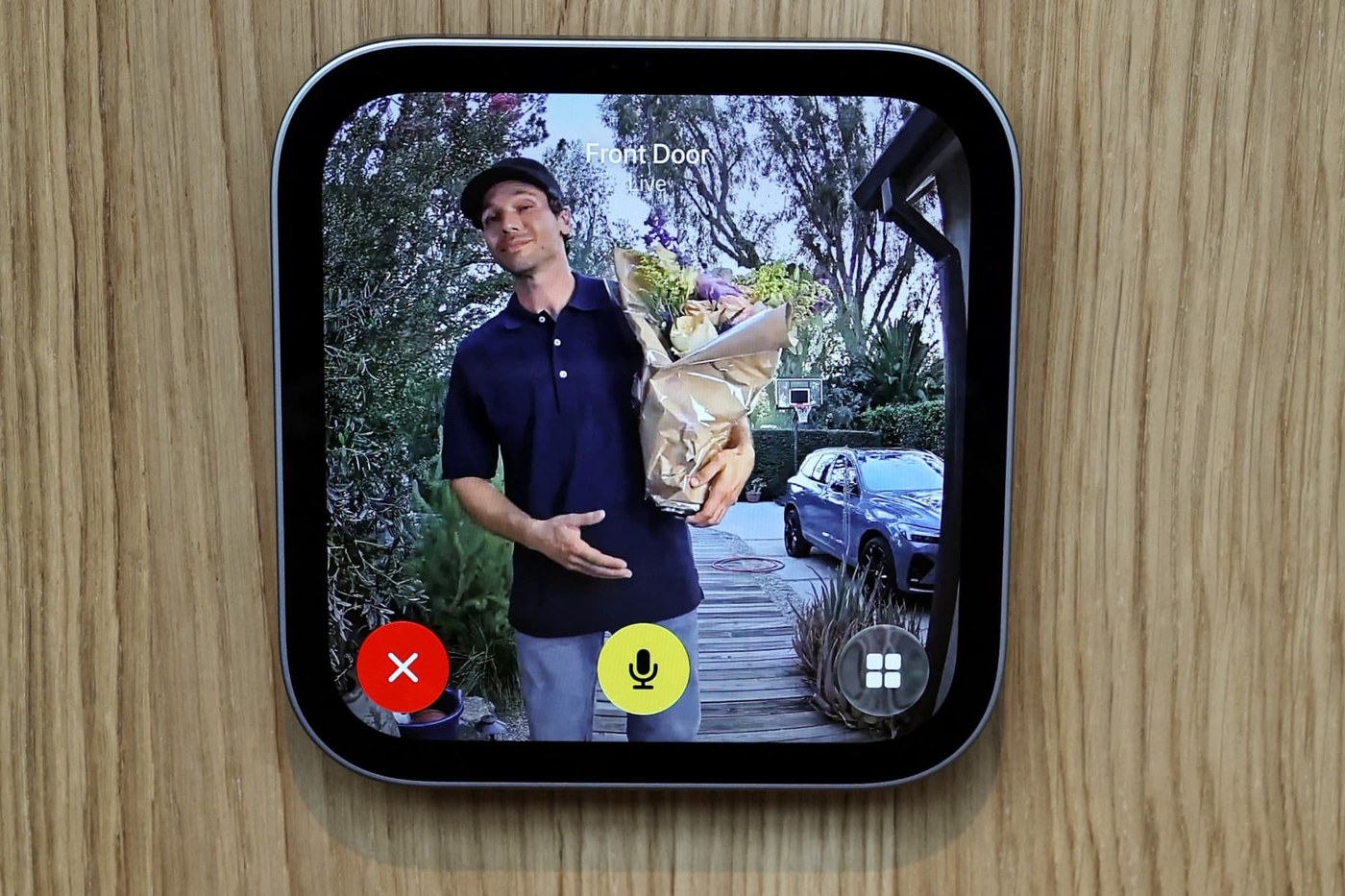
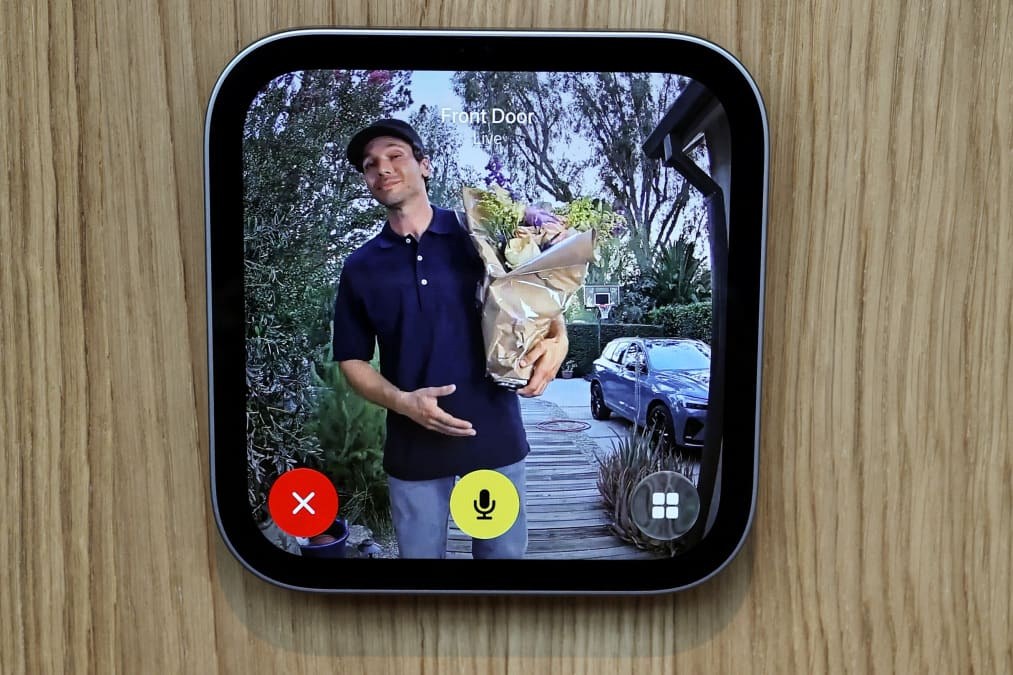
And on Tuesday of this week, Apple unveiled its HomeView smart home hub, powered by Siri AI. The $299 devices include a 7-inch screen that can be mounted, along with facial recognition software so it can be personalized for multiple family members.
Analysts applauded Apple for introducing HomeView at a reasonable price given all the component shortages.
"Apple has prioritized ecosystem adoption over immediate high hardware margins, delivering a local-AI hub at a price point that undercuts what a spec-heavy machine should logically cost," said Mohit Agrawal, who specializes in AI at CounterPoint Research, in an email.
'What AI can do'
Dipanjan Chatterjee, an analyst at Forrester, said the shopping season will mark an early test of consumer demand for a new class of gadgets.
"I think consumers are interested in what AI can do," said Chatterjee. "What's less clear is whether they are interested in buying hardware specifically because it is an AI device."
Despite the many economic headwinds, the spending outlook heading into the holidays remains robust. Nearly half of U.S. consumers expect to spend the same or more this year compared to last year's holiday season, according to a McKinsey survey published in August.
And Bain published a report last month, predicting that U.S. retail sales over the holidays will set new records and top $1 trillion for the first time. However, analysts cautioned "more than half of the nominal sales growth will come from higher inflation" pushing up prices. The firm predicted that sales in some electronics and appliances will remain flat.
"In a time when folks are being a little money conscious, you say, 'Do I really need the next one of those, or could I drag out the replacement cycle on whatever it is?'" said Aaron Cheris, head of Bain's global retail practice, in an interview. "We've seen things that are discretionary purchases drag out longer."
All three producers of the new AI gadgets emphasized their increasingly intelligent assistants, as well as more powerful chips to run them.
Amazon said it's ditching the budget-friendly Fire family of devices in favor of three new Alexa Tablets that feature a more premium design with its souped-up AI assistant front and center. Users can say "Alexa" or tap the "Ask Alexa" button to summon the assistant and ask questions, get personalized recommendations or control their smart home.
Amazon also introduced a hands-free mode, called "On-Screen Intelligence," that enables Alexa to read content on the tablet's display and take action, like preparing a shopping list based on a cooking video. Microsoft's new laptops with Nvidia chips can run AI coding models.
Apple's HomeView uses Apple Intelligence to proactively show users their text messages, calendar appointments and photos. Apple expects users to talk to the device, and highlights Siri's ability to answer a broad range of questions, similar to the experience they have with modern chatbots.
Apple also noted that HomeView uses the A18 chip, which was the fastest smartphone chip in the world when it was first introduced in September 2024.
Carolina Milanesi, an analyst at researcher Creative Strategies, said companies will have to see if users are lured by the prospect of paying more for enhanced processing power.
"Consumers out there are, I think, yet to be convinced that on-device matters as much, especially when you ask them to spend more for a device," Milanesi said.
Ollama CEO Jeff Morgan said there's an audience for computers that give users control. His startup's open-source software allows people to install and use models on a variety of computers.
"I think there's something about owning your AI versus renting it," he said.
Then there's the longer-term opportunity that companies are pursuing, which involves getting consumers to buy subscriptions so they can lock in recurring revenue.
Amazon's new Alexa requires a $19.99 monthly subscription, or Prime membership. Apple users have to buy an upgraded iCloud subscription to record secure video.
Apple's biggest AI launch may come next week, when the company's new $1,999 iPhone Duo hits stores. The folding iPhone can display two apps side by side, including chats with Siri, offering a desktop-like interface for AI agents.