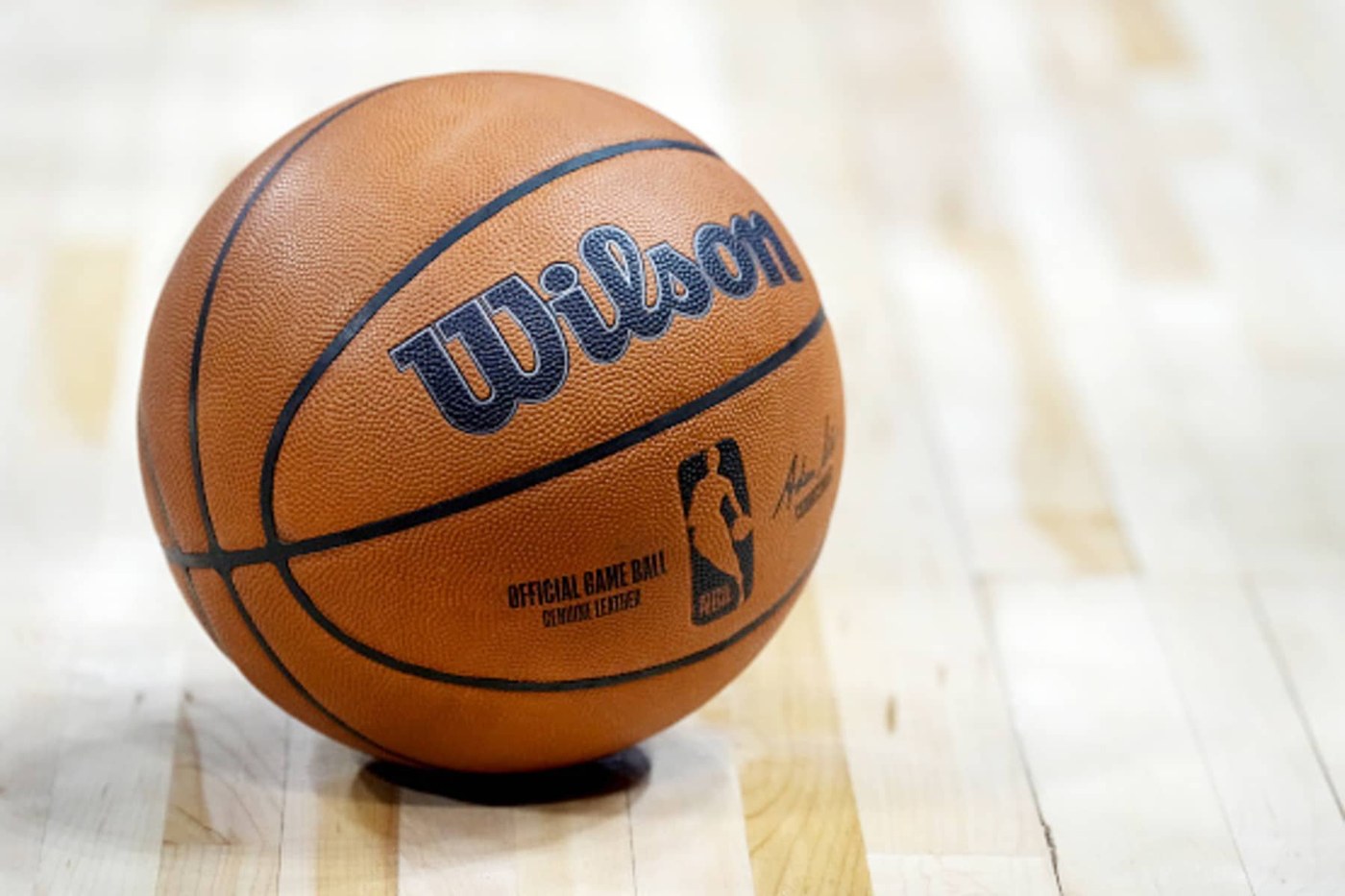
NBA Commissioner Adam Silver says the league could begin using a new "smart ball" in games as soon as 2027, potentially transforming how officials make calls on the basketball court.
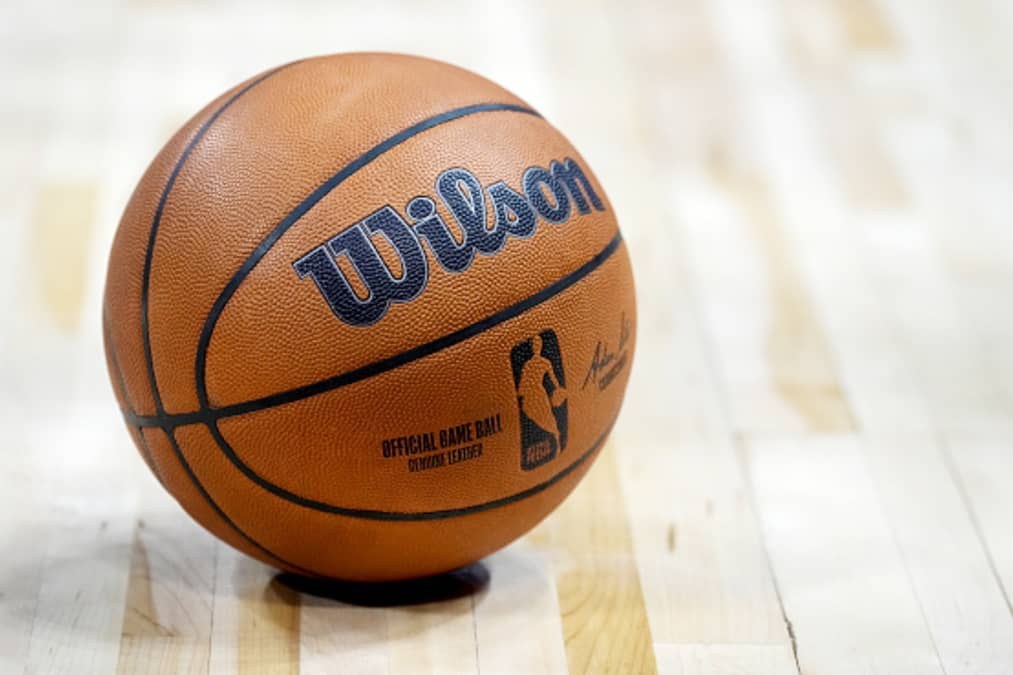
In an interview with CNBC's Contessa Brewer, Silver revealed that the NBA is working with official basketball manufacturer Wilson to develop a ball embedded with a tiny microchip Bluetooth sensor that can track movement, spin and changes in trajectory.
"We're experimenting with putting a small chip in the ball that weighs roughly a gram," Silver said.
The technology has already been tested in the NBA's G League, Summer League, and some preseason games, where players used basketballs both with and without the chip. Silver said players have been pleased with the results.
"Nobody could tell the difference. So that's a good sign," he said.
The chip weighs just one gram, compared with the roughly 620-gram or 1.4 pound basketball. Silver said the league wanted to ensure that even the most experienced players wouldn't notice a change in how the ball feels or bounces.
One of the most immediate applications could be officiating.
Silver said the technology could help referees determine whether a player touched the ball before it went out of bounds by detecting subtle changes in its spin. It could also help identify whether a shot's trajectory was altered.
"I think you could see as soon as next year us using it for officiating in our games," Silver said.
Beyond officiating, Silver sees a significant opportunity to bring the technology to consumers, allowing basketball players of all ages to analyze and evaluate their shooting mechanics.
For example, a player taking hundreds of shots could use data collected by the chip to understand which shooting angles and ball rotations are most likely to result in a basket.
"You'll then see the graph, and you'll see for which the angle of the shots that went in, they're more likely to go in," Silver said.
While the officiating application could arrive as soon as next year, Silver said a consumer version may take longer.
"I think the consumers version [of the smart ball] is a few years away, but it's a really exciting opportunity."
NBA players' union raises concerns over wearables
The league is also exploring the use of wearable technology during games, but negotiations with the National Basketball Players Association have yet to produce an agreement.
The NBA says officials experimented with wrist wearables in select preseason and summer league games this year in a "successful pilot program," but it will not extend into the season. The technology allowed the referees to communicate with the replay center about reviews, scoring changes and clock malfunctions.
Silver said players routinely use wearable devices off the court to monitor everything from sleep to physical performance, but concerns remain over how data collected during games could be used by teams.
"I think we have to come to some agreement on exactly how the information is used. But it seems everybody wants that information," Silver said.
The biggest sticking point is whether that information could affect contract negotiations, Silver said.
"If you could see a player was slowing down or something like that, they're worried that that could get used in bargaining, and I get that," he said.
Silver acknowledged those concerns and said the league needs to reach an agreement with the players' union on how the information would be used.
Still, he suggested that allowing wearables during games is a logical next step as athletes increasingly rely on technology to monitor their performance.
"I think the players are in a position right now where they're essentially wearing wearables 22 hours a day, and the only time they're not wearing them is when they're playing in the game," Silver said. "So that can't make sense."
"We'll work something out with them," he added.