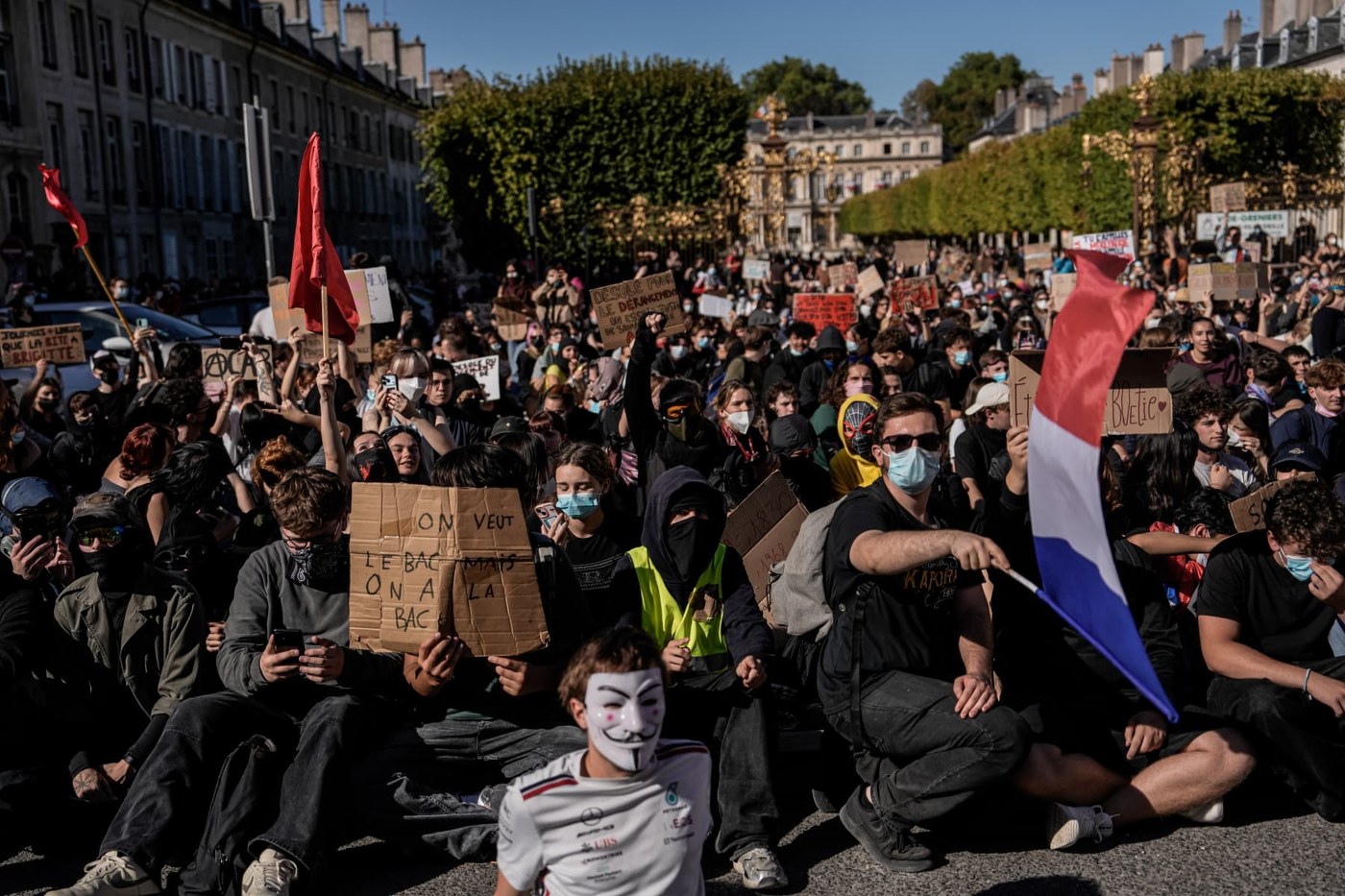
France's parliament begins debate on the 2027 budget Tuesday as high deficits, rising debt and student protests sharpen the political cost of fiscal consolidation.
The euro zone's second-biggest economy is barreling toward a debt crisis, and risks dragging the continent down with it, unless it sustainably brings down its national deficit, according to many market watchers.
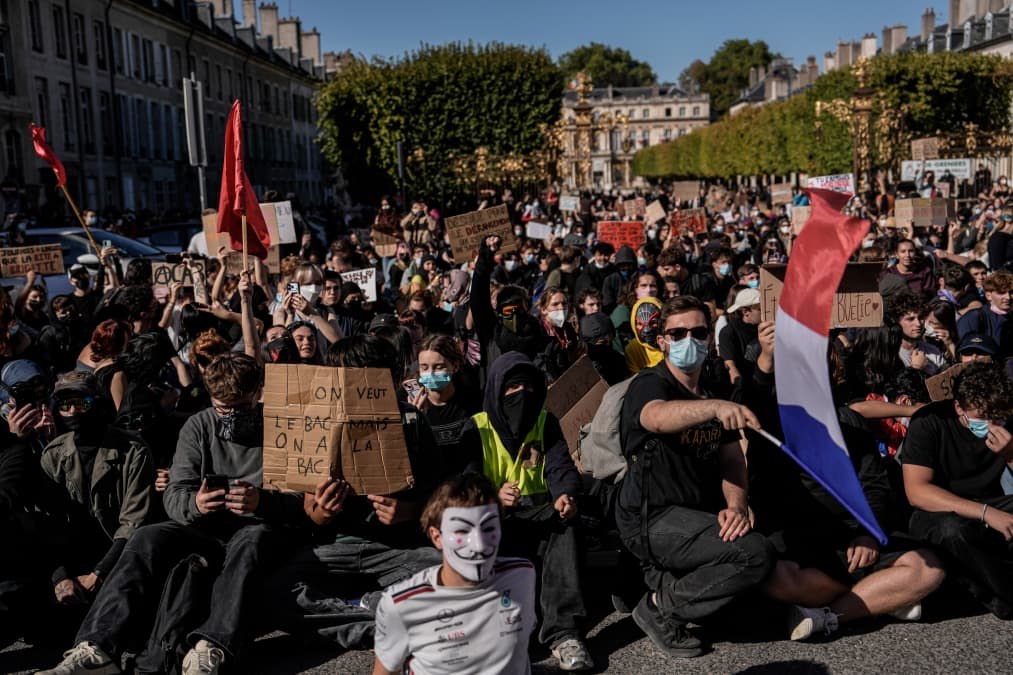
Even as thousands take to the streets to protest years of underfunding in public services, particularly education, France has run one of Europe's highest deficit-to-GDP ratios for nearly a decade under President Emmanuel Macron.
Government spending remains well above its peers in the politically sensitive realm of social protections, particularly pensions and healthcare, while tepid economic growth has failed to compensate.
With presidential elections looming next year and parliamentarians proving reluctant to compromise, France's economic and political uncertainty is weighing on the euro.
French government borrowing costs have soared to their highest level in nearly a quarter of a century as jittery bond markets have responded to the country's failure to impose fiscal consolidation.
The widening gap in French bond yields over their German equivalents has raised questions over whether the European Central Bank would have to take the expensive and politically controversial step of intervening to stabilize the market. While this could halt a panic that fragments the currency union, the legacy of the Sovereign Debt Crisis — which hammered countries such as Greece, Ireland, Portugal, Spain and Italy — means it would require drastic action from France.
"The ECB will not step in just to 'bail out' France. If there was a European crisis they will intervene in some form but they will not save a country that cannot save itself," Antonio Fatas, professor of Economics at INSEAD Business School, said by email.
Read more:
- Nobel winner Krugman says France may have become 'too big to save'
- Student riots engulf France as far-right presidential frontrunner Le Pen vows fiscal turnaround
- France to release diesel reserves as student protests resume
- 'Get your house in order': IMF chief's stark warning for France over surging bond yields
- France’s fresh budget battle threatens to topple another government
- France is becoming the 'poster child' of sovereign debt problems as government borrowing costs hit near 2008 highs