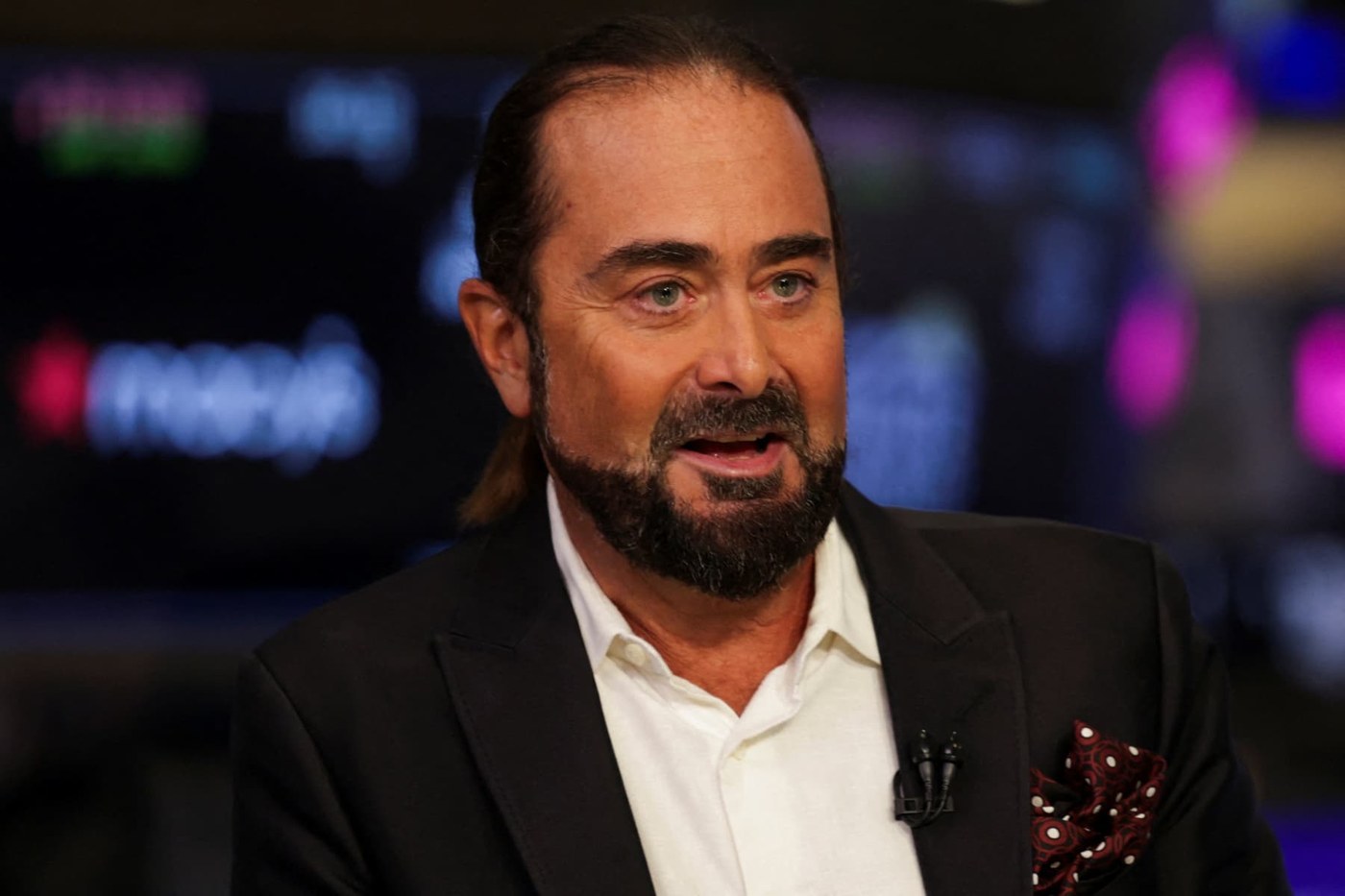
U.S. Treasury yields are likely to cool off after a surge to multidecade highs that alarmed bond traders and pressured consumer borrowing power, according to David Zervos, the Wall Street veteran who recently took a senior role in the Treasury Department.
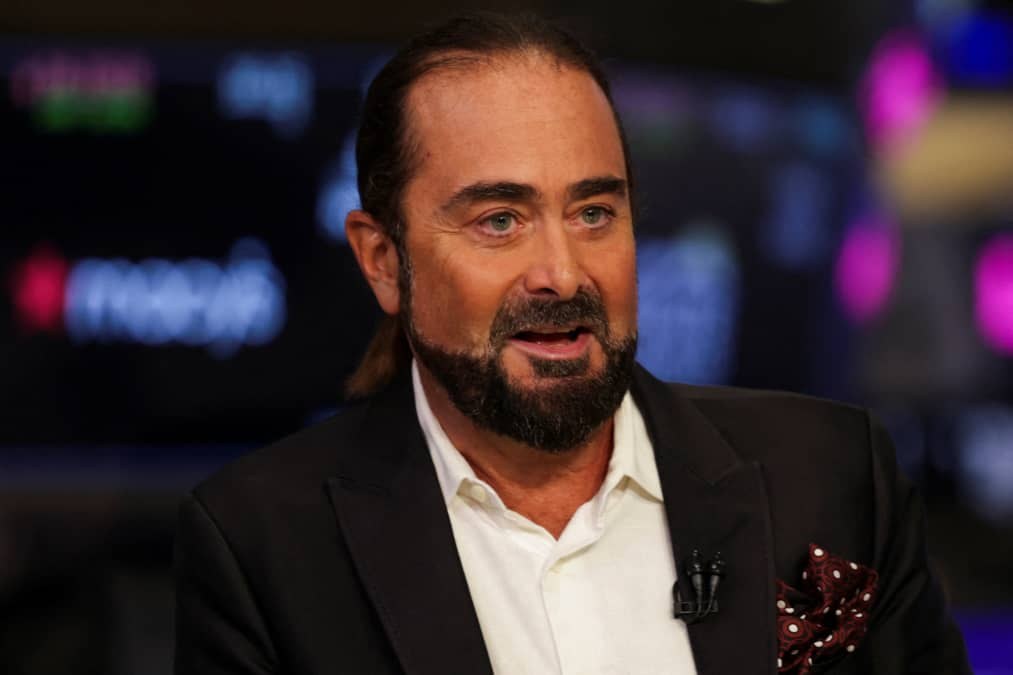
"These real yields are really, really high by any historic standard, so I think we have some room to come down in the future," Zervos, a counselor to Treasury Secretary Scott Bessent, said Thursday on CNBC's "Power Lunch."
Zervos' comments come after the 10-year and 30-year U.S. Treasury yields have marched to 24-year highs over recent days. Yields in the global bond market have been on a tear as expectations grow for central banks to hike interest rates and corporations keep borrowing money to build out artificial intelligence infrastructure.
Demand for popular consumer loans such as home mortgages has dropped as borrowing costs have increased alongside Treasury yields.
Zervos said the Federal Reserve and other central banks have reacted to short-term rate increases but said the longer-term expectation of rates and inflation hasn't changed much.
The Fed last month lifted interest rates for the first time in three years. Central bank officials signaled this week that more increases could be coming before the end of the year.
Fed funds futures traders anticipate a more than 82% likelihood that the central bank will next increase borrowing costs at its December meeting, according to CME's FedWatch tool.
Zervos said some of the pressure on global real rates has also come from increased corporate spending on AI. He referred to the technology as "SI," an abbreviation of "super intelligence" — the term President Donald Trump has touted amid mounting local opposition to data centers.
But Zervos, an alumnus of Jefferies and the Fed, characterized these investments as a positive sign for the economy overall and said the resulting impact on yields is a short-term problem.
He said bond yields are likely to come down after the resolution of the energy shock caused by the U.S. war with Iran. Prices for Brent, the global crude benchmark, have climbed about 38% between the beginning of the conflict and Wednesday.
"We're just going to have to live with that for a short period of time," Zervos said.
Zervos said the increase in rates is "not a U.S.-specific phenomenon," listing Germany, France, Italy and Japan as countries seeing similar moves.
"The U.S. has been kind of a fantastic performer in all this vis-a-vis many other developed markets, developed small markets," Zervos said. "It's not a U.S. problem."