The latest notice added four objections, bringing the total to 26 as the joint venture prepares to test the SEC’s new framework for blockchain-based stock trading.
- IBM, Oracle, Intel and IonQ have objected to OKXICE offering blockchain-based versions of their shares, raising the total number of issuer objections to 26.
- The objections highlight issuer caution over the SEC’s five-year Innovation Exemption, which permits round-the-clock blockchain trading but gives companies 30 days to block their inclusion.
- The objections may reflect a wait-and-see approach, with issuers seeking more clarity on shareholder protections and the benefits of tokenized trading before participating, industry experts told CoinDesk previously.
IBM, Oracle, Intel and IonQ have opted out of plans by crypto exchange OKX and NYSE parent Intercontinental Exchange (ICE) to offer blockchain-based trading of their shares, bringing the total number of issuer objections to 26.
The four companies were named in an updated public notice dated Monday, Oct. 26, from OKXICE, the two firms’ joint venture. They join earlier objectors including Microsoft, Alphabet, Goldman Sachs, Cisco and Wells Fargo.
The growing list underscores a hurdle for OKXICE and the SEC’s new framework for tokenized stock trading: building a market that issuers are willing to join. The agency’s five-year “Innovation Exemption” gives qualifying venues room to test round-the-clock blockchain-based trading of stocks, and it also gives public companies an option to block their shares from being offered.
OKXICE issued its initial public notice on Oct. 4, outlining plans to use Uniswap v4 liquidity pools on OKX’s XLayer blockchain, with transactions settled in stablecoins. The venue would use automated market makers — software that executes trades through pools of assets rather than matching buyers and sellers through a conventional order book.
Under the framework, venues must notify issuers and give them 30 days to object before offering tokenized versions of their shares.
All four newly disclosed objectors were among the 62 companies in OKXICE’s original proposed roster. That brings objections from the original selection to 23, or about 37%, according to a CoinDesk tally. The overall count also includes Cerebras Systems, Arm Holdings and Wells Fargo, which were absent from that from the original selection.
The growing list of objections highlights early issuer caution about plans to trade their shares under the SEC’s new framework. The rules give companies a say in how their shares come onchain, but also tilts the decision toward opting out, industry experts told CoinDesk’s Tokenization Weekly. Objecting costs nothing, while staying silent allows trading to begin without a mechanism to withdraw that consent later. For legal and investor-relations teams still getting familiar with the arrangements, saying no leaves more time to understand them.
The financial benefit for issuers is also uncertain yet. Tokenization could bring additional demand, particularly from overseas investors, but that may not be enough to offset concerns about thin, round-the-clock trading outside the familiar market structure, TD Securities’ Reid Noch previously told CoinDesk.
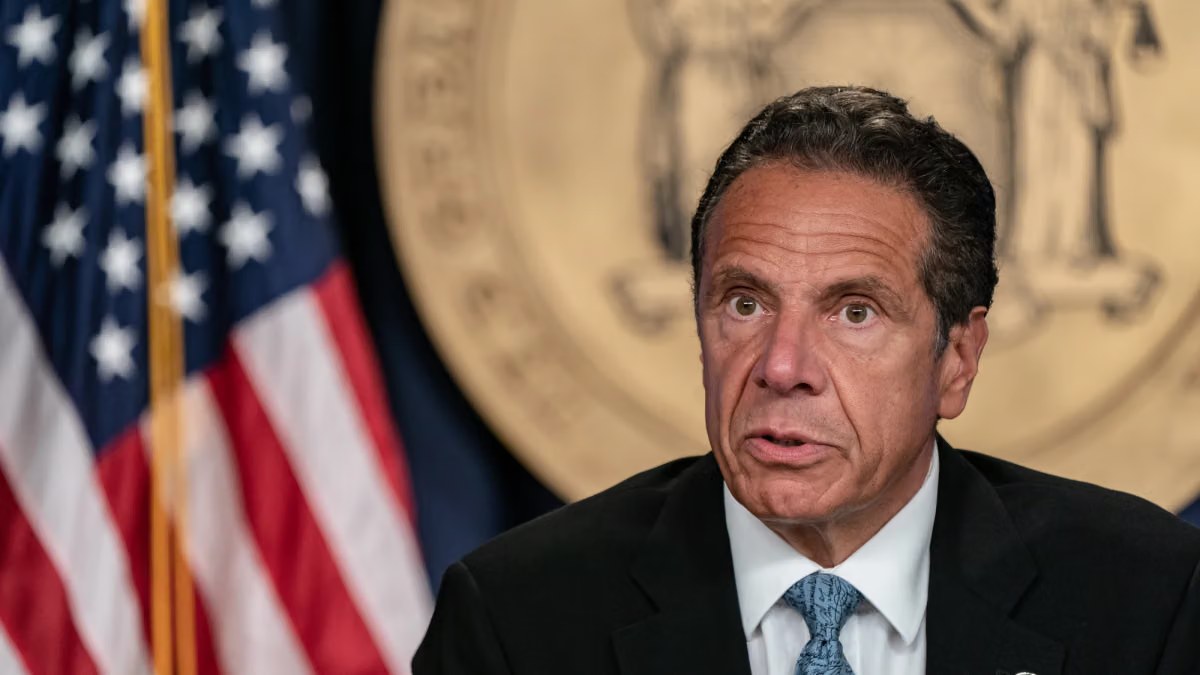
Andrew Cuomo, OKXICE’s co-chairman and former New York governor, previously described the objections as expected, with many companies rather “wait and see how it goes rather than be the first to participate,” he said during a press call last week.
Read more: Why McDonalds, Microsoft and Google saying no to tokenized stocks isn't a dealbreaker
Diversified RWA stablecoins sustain 5-7% yield from real credit as crypto funding compresses to ~4%. GENIUS pushes yield off-chain; TAM grows to $4B in 3 years.